
Kitchen soffits have a funny way of making a kitchen feel dated and awkward, then making a remodel feel way more exciting than you expected. One minute you are staring at that boxed in space above the cabinets, and the next you are asking yourself why it sat there for so long like it owned the place.
If you have been hunting for kitchen soffit ideas, you are in the right spot. I love turning that awkward upper band into something useful, pretty, or at least far less annoying, and yes, the right fix can make the whole room feel cleaner, brighter, and more intentional.
Kitchen soffit ideas
1. Paint the soffit to match the cabinets
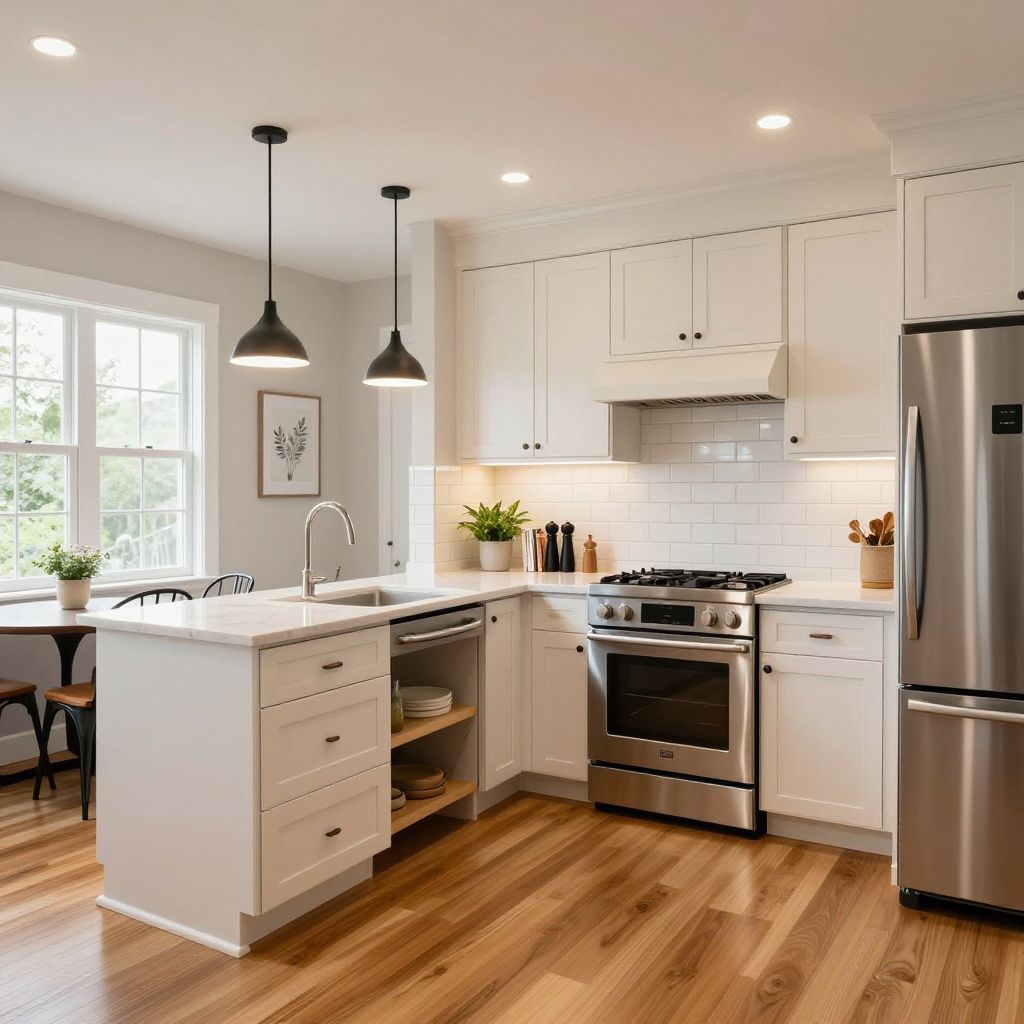
This is my favorite low drama move when the soffit sits above upper cabinets and you want the whole wall to feel calm. Paint the soffit the same color as the cabinets, and suddenly that weird strip stops shouting for attention. Pair it with a simple layout, flat panel cabinets, quartz counters, a clean tile backsplash, and warm wood floors for a polished look.
I like this look in transitional kitchens and smaller homes where you want the room to feel taller without tearing out half the ceiling. Add brushed nickel or matte black hardware, depending on your cabinet color, and keep the lighting simple with recessed cans or slim pendants. Why make the soffit the star when the cabinets can do the talking?
- Layout type: Galley, L shaped, or compact U shaped
- Cabinet style: Shaker or flat panel
- Countertop material: Quartz or solid surface
- Lighting choices: Recessed lights, small pendants
- Storage features: Deep upper cabinets, drawer organizers
- Optional variations: Match the soffit to wall color for a softer look
This idea works well on a modest budget and gives fast results during a weekend refresh. If your soffit has dents or seams, a little spackle and good primer go a long way. I would use this approach in rental updates, starter homes, and resale projects where you want broad appeal.
2. Wrap the soffit in wood trim
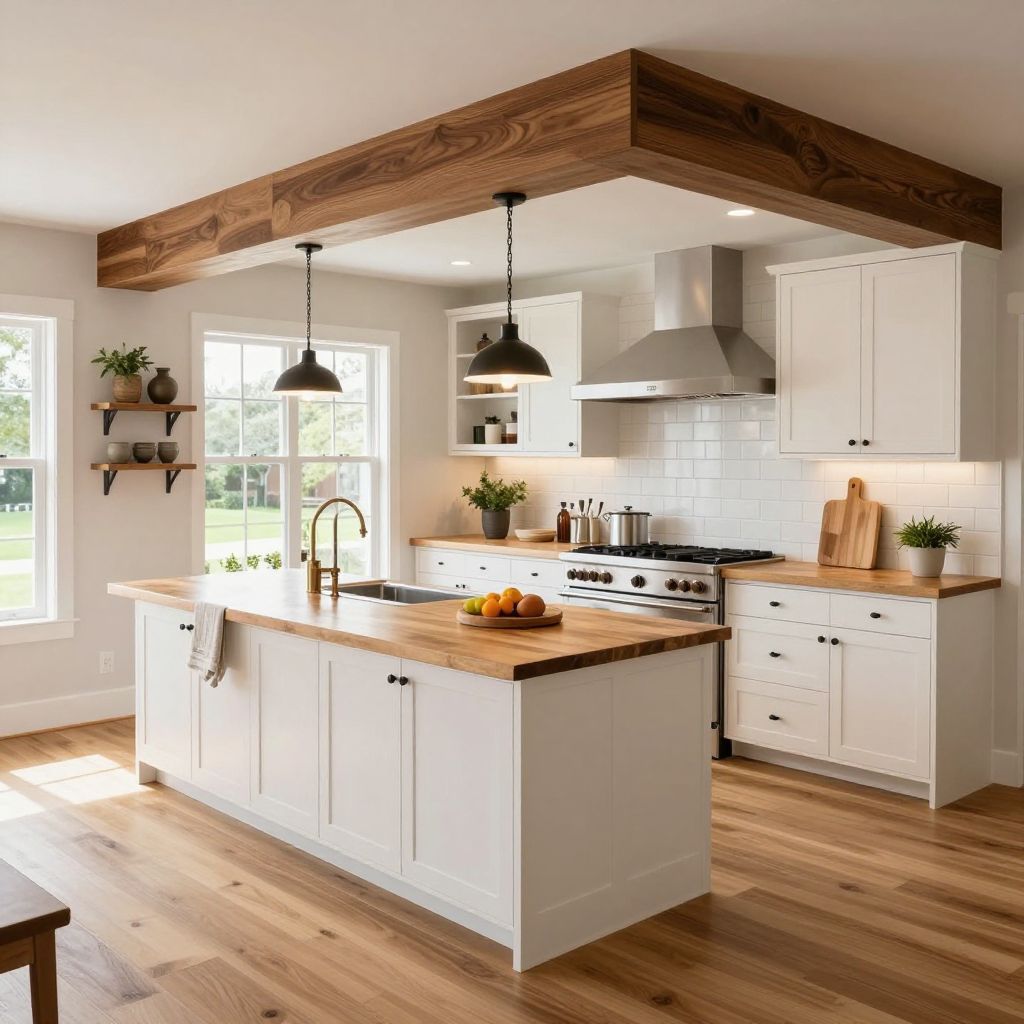
A wood wrapped soffit can make the space feel custom and warm, especially in kitchens that lean rustic or modern farmhouse. Use stained oak, walnut, or painted wood trim to give the upper edge a finished frame. Pair it with shaker cabinets, butcher block counters, a simple backsplash, and wide plank flooring for a cozy pulled together look.
This style shines in family kitchens where natural texture matters more than glossy perfection. I love it for homes that already use wood beams, open shelving, or earthy tones, since the soffit can echo those details without hogging attention. Who says a soffit cannot earn its keep?
- Layout type: Open concept or family kitchen
- Cabinet style: Shaker with simple lines
- Countertop material: Butcher block or honed stone
- Lighting choices: Warm pendants, under cabinet lighting
- Storage features: Pull out trays, pantry cabinets
- Optional variations: Use painted trim for a softer contrast
This option needs a little more craftsmanship than paint alone, so plan for trim work and careful finishing. I think it fits best in homes with character, especially older houses or remodels that need a bit more soul. Seal the wood well if your kitchen runs busy, since splashes and steam do love a soft surface.
3. Build cabinets all the way to the ceiling
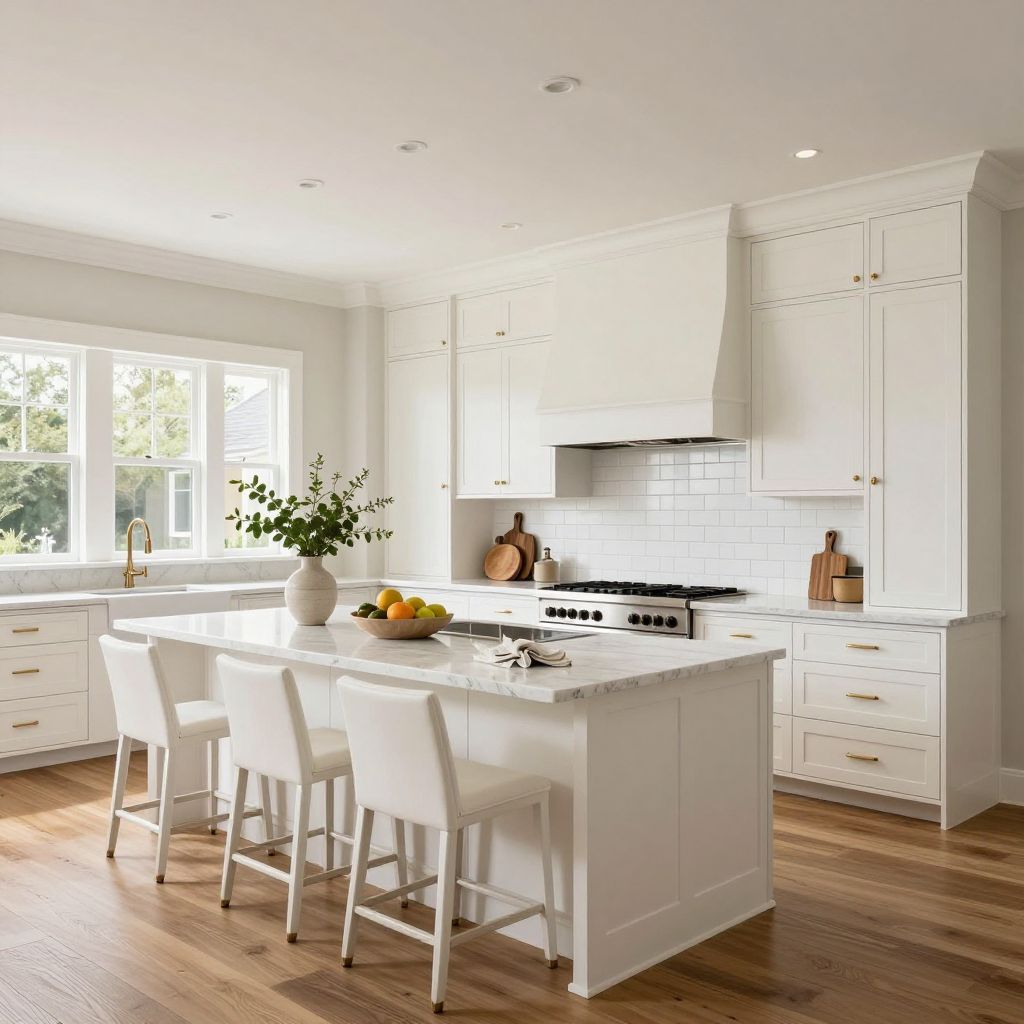
One of the cleanest kitchen soffit ideas is to hide the soffit behind tall cabinets that meet the ceiling line. This gives the kitchen a full custom feel and cuts down on dust collecting in odd upper corners, which feels like a small miracle. Use full height shaker cabinets, stone counters, a classic subway backsplash, and tile or stained wood flooring for a balanced look.
I love this for contemporary and transitional kitchens that want a built in feel. It works beautifully in rooms with decent ceiling height, but it can help low ceilings too if you use light cabinet colors. Add brass, black, or satin nickel hardware for a finish that feels neat without trying too hard.
- Layout type: Wall cabinet run with full height storage
- Cabinet style: Shaker, inset, or full overlay
- Countertop material: Quartz, marble, or granite
- Lighting choices: Recessed ceiling lights
- Storage features: Top shelf storage, appliance garages
- Optional variations: Glass front uppers near the ceiling
This works best in remodels where you want to get rid of that choppy upper line for good. It can cost more than a paint fix, yet the payoff feels big and long lasting. If you have a small kitchen, use lighter colors so the taller cabinets do not feel heavy.
4. Add open shelves under a slim soffit band
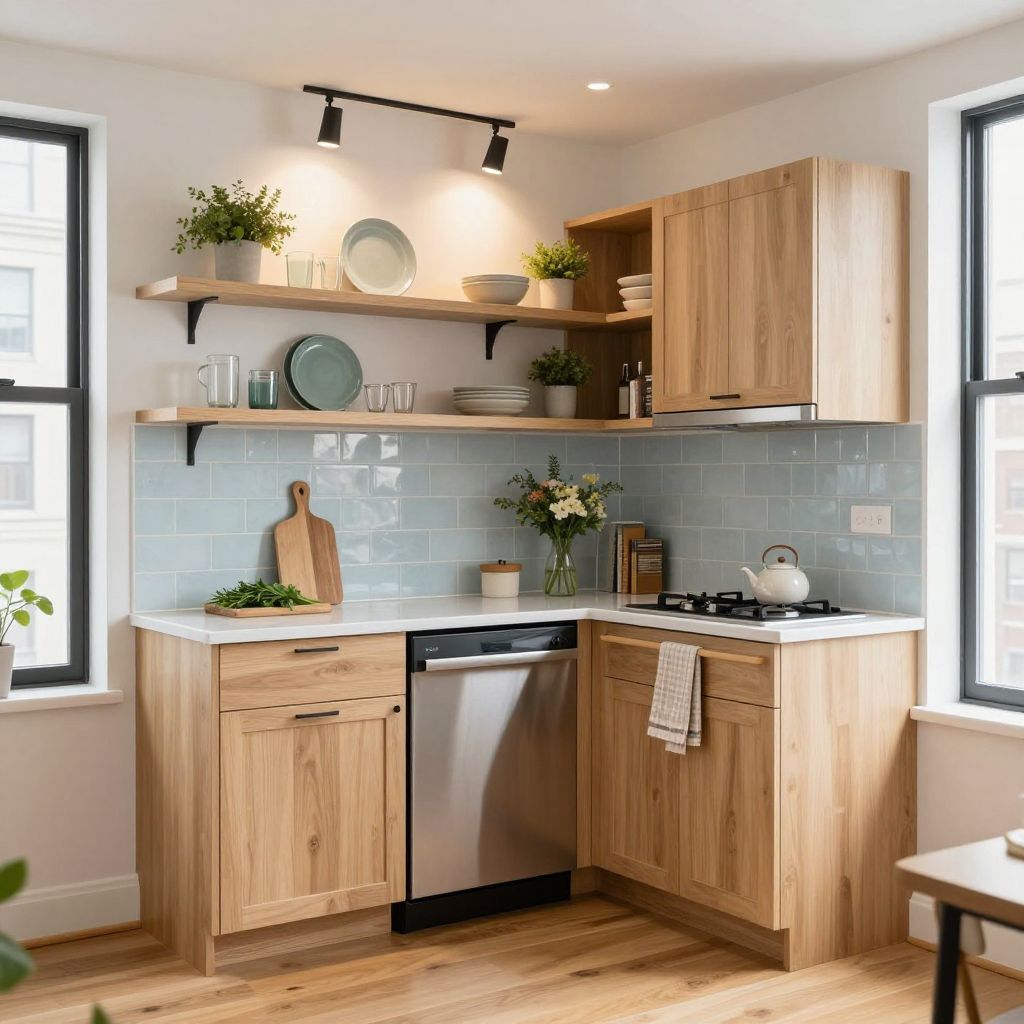
If your soffit height leaves just enough room for a few shelves, use it for open storage and display. A slim soffit band can hold floating shelves for dishes, mugs, plants, or pretty bowls that make the room feel lived in. I would pair this with light stained cabinets, quartz counters, a handmade tile backsplash, and simple wood or stone floors.
This look feels casual and creative, which makes it great for apartments and small kitchens. It keeps the upper wall from feeling boxed in, and it gives you a place to show off the good stuff without turning the kitchen into a showroom. Why hide every plate when the nice ones can do a little work?
- Layout type: Small kitchen or apartment layout
- Cabinet style: Minimal shaker or slab fronts
- Countertop material: Quartz or butcher block
- Lighting choices: Picture lights, small sconces
- Storage features: Floating shelves, stackable containers
- Optional variations: Mix shelves with closed uppers
This idea works best if you keep the shelf styling tidy, since clutter shows fast. I suggest using durable shelf materials and easy wipe finishes near the stove. If your kitchen gets heavy use, mix open shelves with a few closed cabinets so daily life stays manageable.
5. Turn the soffit into a lighting feature
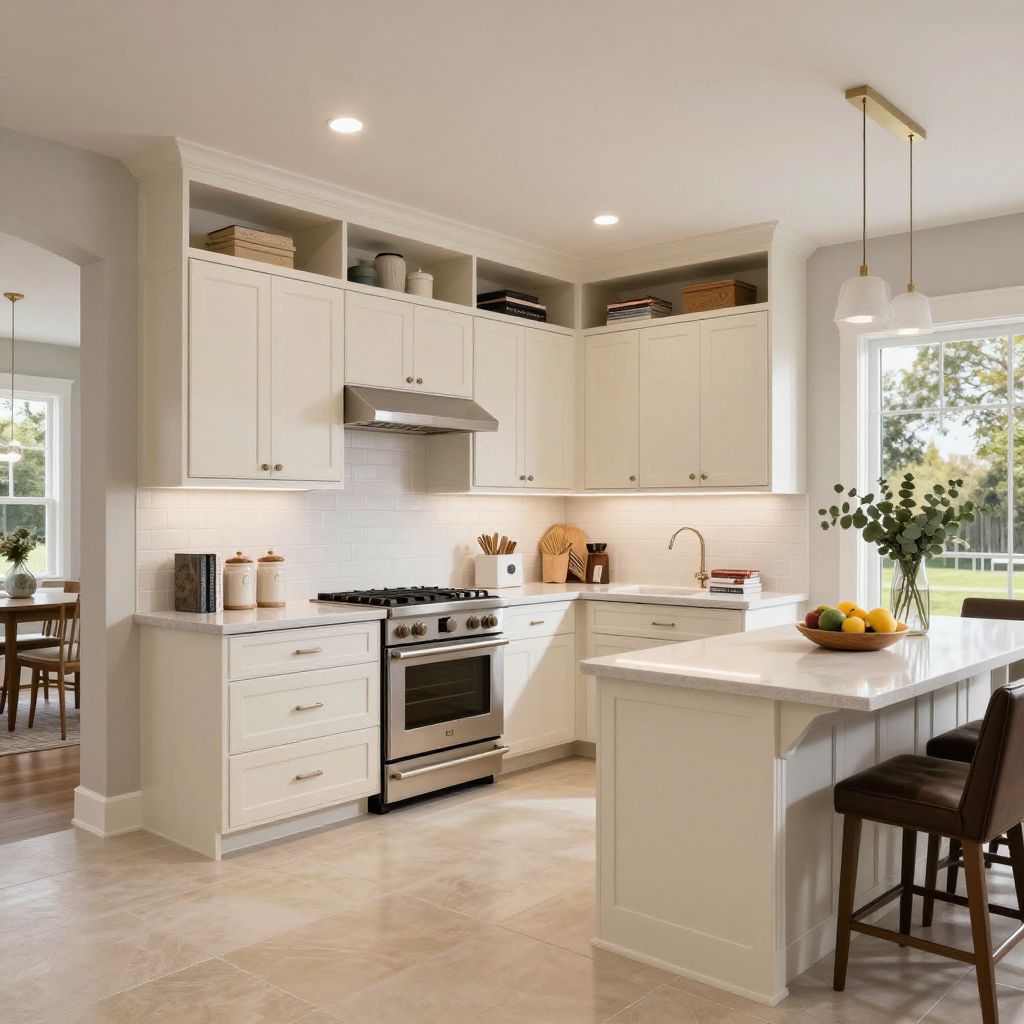
A soffit can hide lighting that makes the whole kitchen feel brighter and more layered. You can add strip lights, small recessed fixtures, or hidden LED tape inside the soffit band for a soft glow. Pair that with lacquered cabinets, polished stone counters, a sleek backsplash, and reflective hardware for a crisp modern look.
This idea suits modern and luxury kitchens that want a clean ceiling line with more drama at night. I really like it for open concept homes where the kitchen needs to feel stylish without screaming for attention. Good lighting fixes a lot of design sins, does it not?
- Layout type: Open concept or large kitchen
- Cabinet style: Slab front or glossy finishes
- Countertop material: Quartz, porcelain, or stone
- Lighting choices: LED strip lights, recessed accents
- Storage features: Tall pantry units, drawer stacks
- Optional variations: Dimmable controls for mood changes
This option takes planning, so work with an electrician who knows how to hide wiring cleanly. I would use warm white light for a welcoming feel and cooler light for a sharper modern finish. It costs more than paint, yet the glow can change the whole room after dark.
6. Paint the soffit a bold contrast color
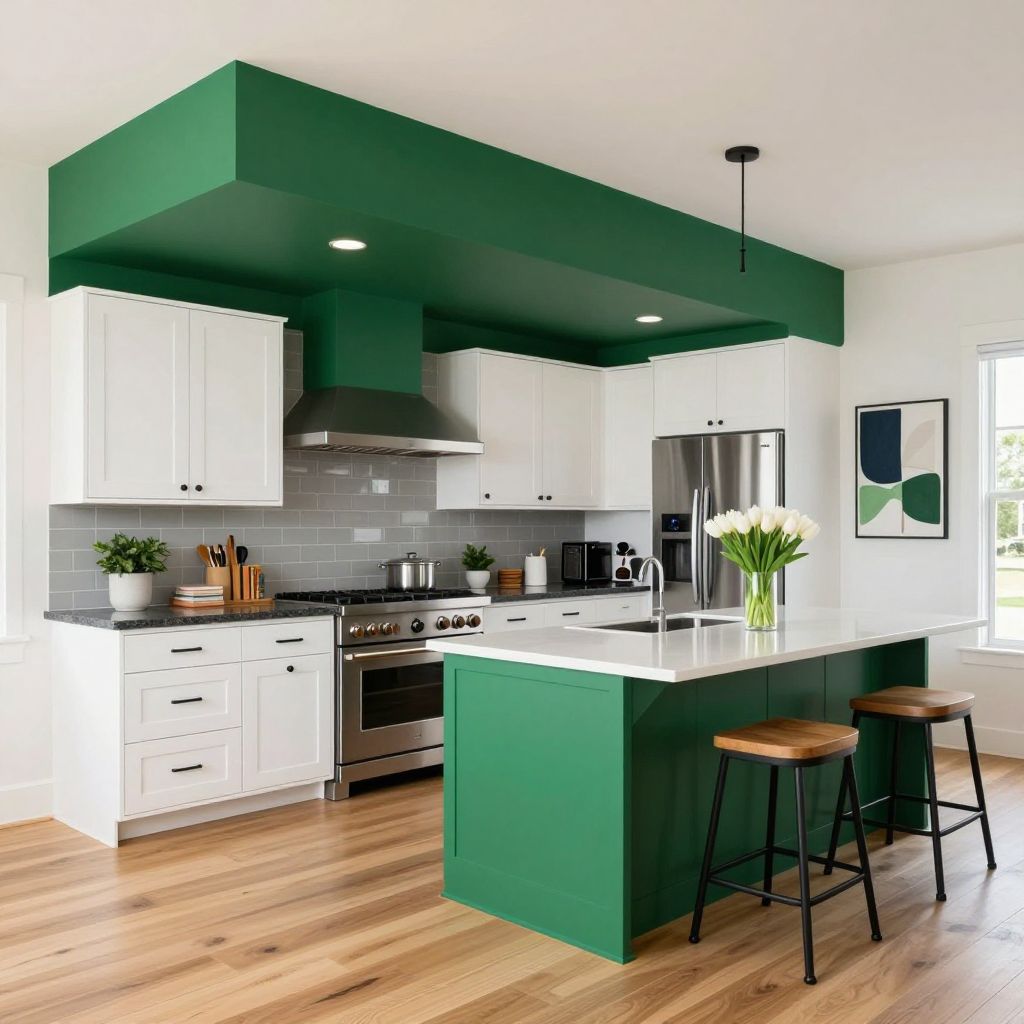
Sometimes the smartest move is to stop pretending the soffit should disappear and give it a purpose. A bold contrast color can make it feel intentional, especially if you use deep green, navy, charcoal, or even a rich clay tone. Keep the cabinets simple, add a clean countertop, a subtle backsplash, and matte or brushed hardware so the contrast feels stylish, not loud.
This works well in contemporary kitchens and homes with a bit of personality. I like it in spaces that already use artwork, patterned runners, or colorful stools, since the soffit becomes part of the design story. Who knew a box above the cabinets could act this cool?
- Layout type: Medium or large kitchen
- Cabinet style: Shaker or slab
- Countertop material: Quartz or soapstone
- Lighting choices: Simple recessed or track lighting
- Storage features: Concealed upper storage
- Optional variations: Match the soffit to the island color
This is an easy way to add character without changing the kitchen layout. I would test the color in daylight and evening light before committing, since soffits sit high enough to change the feel of the whole room. Keep the rest of the palette controlled so the contrast looks sharp instead of chaotic.
7. Use beadboard on the soffit for cottage charm
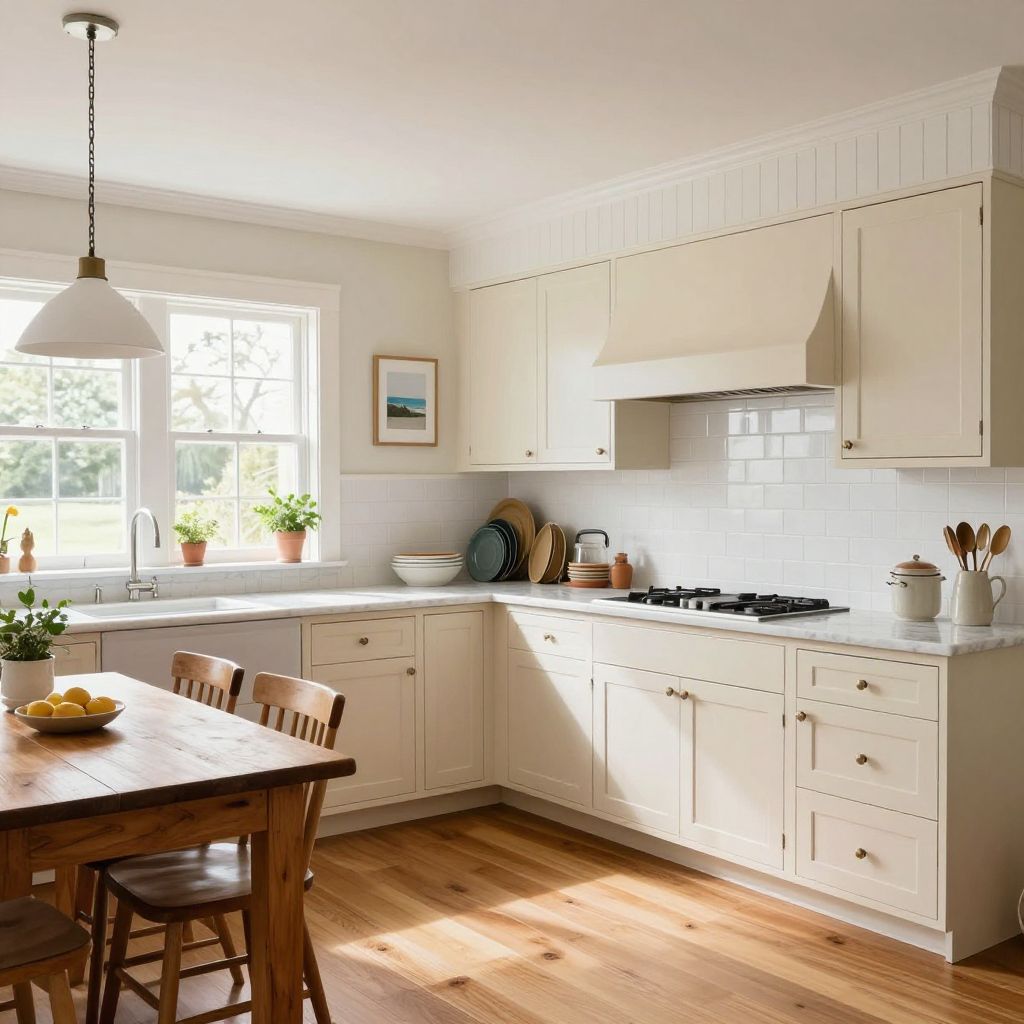
Beadboard gives a soffit some texture and a soft vintage feel. It pairs nicely with painted cabinets, marble counters, a simple ceramic backsplash, and classic wood floors for a cottage inspired kitchen. Add cup pulls or small knobs in polished nickel for a detail that feels sweet without going full grandma attic.
This style fits farmhouse kitchens, coastal spaces, and older homes that already carry a bit of charm. I like it in kitchens with breakfast nooks or open shelving since the beadboard adds enough interest without needing a big statement piece. It feels friendly, which I think every kitchen should do.
- Layout type: Cottage kitchen or eat in kitchen
- Cabinet style: Painted shaker or inset
- Countertop material: Marble or honed quartz
- Lighting choices: Schoolhouse lights or small pendants
- Storage features: Plate racks, open cubbies
- Optional variations: Paint beadboard in a soft accent tone
This option stays budget friendly if you use simple panels and smart paint choices. I suggest semi gloss paint for easier cleaning, especially near the cooking zone. It works best in homes that want charm without a heavy renovation bill.
8. Hide the soffit with crown molding
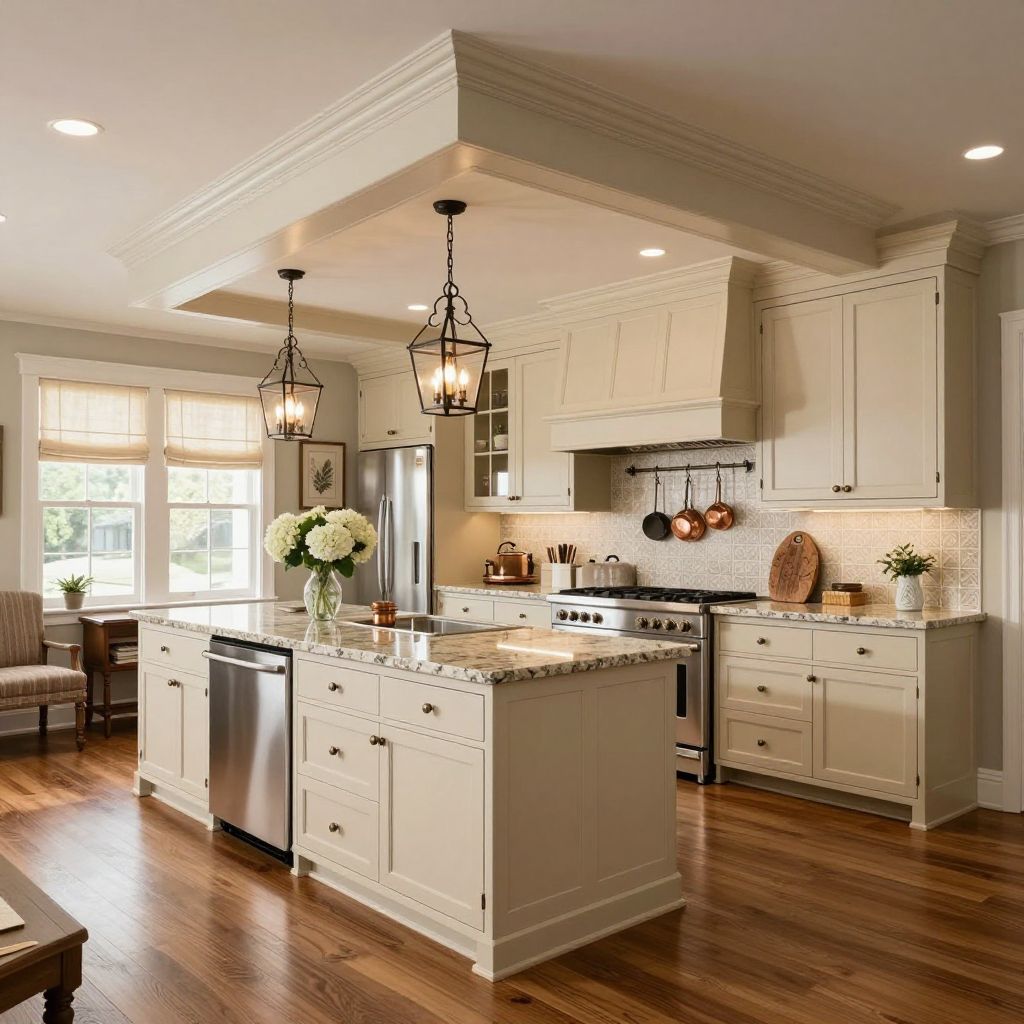
Crown molding can soften the transition between cabinets and ceiling, which helps a soffit blend in fast. Use larger molding for traditional kitchens or slimmer profiles for transitional spaces, and pair it with raised panel cabinets, stone countertops, a detailed backsplash, and hardwood flooring. The result feels finished and calm, like the room finally got dressed properly.
I would use this idea in formal kitchens, historic homes, or rooms that already lean classic. It works especially well if you want the cabinets to feel built in but do not want to replace every upper box. A little crown can do a lot, and thankfully it does not need a speech.
- Layout type: Traditional kitchen or formal remodel
- Cabinet style: Raised panel or inset
- Countertop material: Granite, quartz, or marble
- Lighting choices: Chandelier, lantern pendants
- Storage features: Tall upper cabinets, tray dividers
- Optional variations: Paint molding the same color as cabinets
This approach suits renovations where you want to keep most of the existing structure. It can cover minor shifts and uneven edges better than a flat trim treatment. I would choose a profile that matches the cabinet style so the whole wall feels cohesive.
9. Make the soffit a display ledge
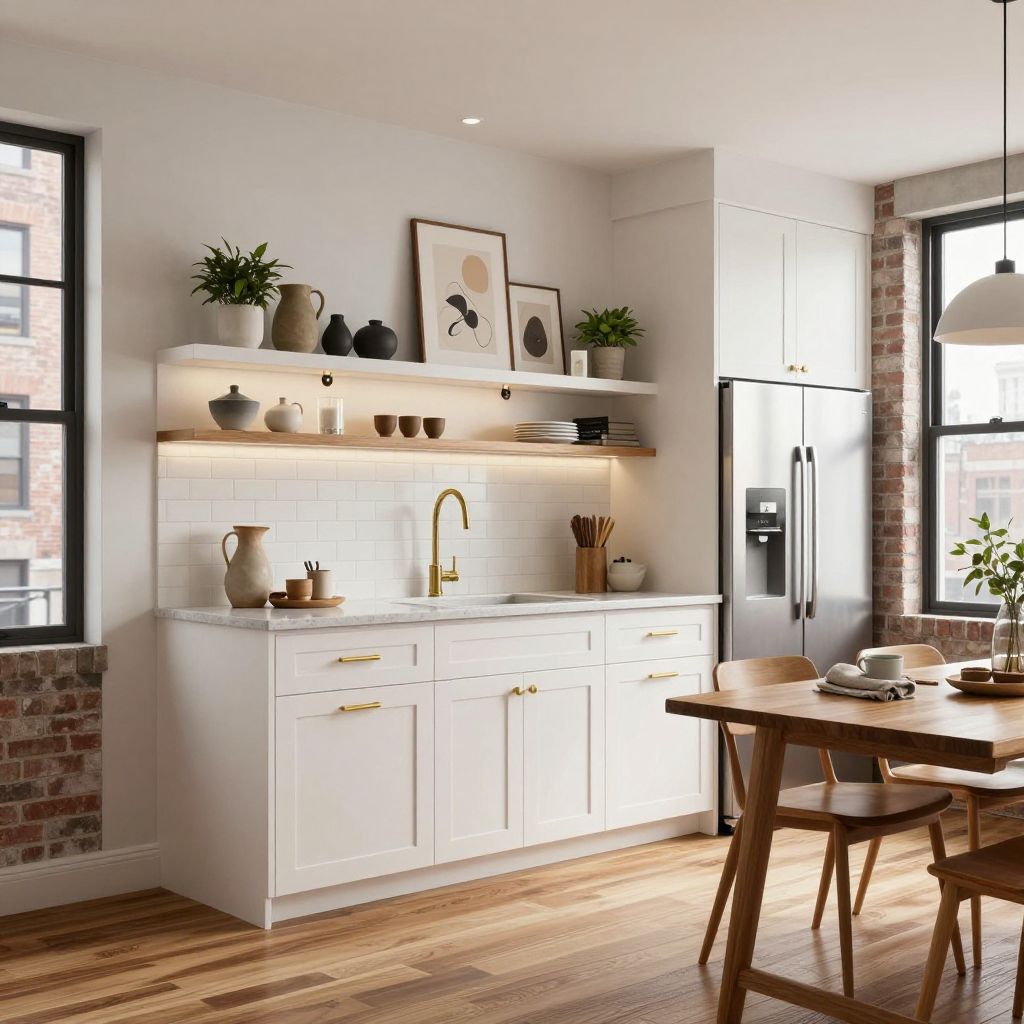
If your soffit has enough depth, turn it into a shallow display ledge for pitchers, pottery, or small art pieces. This can soften a hard architectural line and add personality without cluttering the counter. I like it with simple cabinets, stone counters, a narrow backsplash, and warm metal hardware for a collected look.
This idea suits eclectic kitchens and creative spaces that welcome a little imperfection. It works in homes where people actually cook and live, which sounds obvious, yet somehow design plans forget that part. Use the ledge for pieces you enjoy seeing every day, not just items that eat dust with confidence.
- Layout type: Creative kitchen or compact wall run
- Cabinet style: Simple shaker or flat front
- Countertop material: Quartz, soapstone, or wood
- Lighting choices: Accent sconces or under ledge lights
- Storage features: Decorative display shelf
- Optional variations: Mix with framed art or plants
Keep the ledge shallow so it does not collect clutter like a magnet. I would use a wipeable finish since kitchen steam and dust never miss a chance to settle somewhere. This works best when you enjoy styling and do not mind refreshing the display now and then.
10. Extend the backsplash into the soffit zone
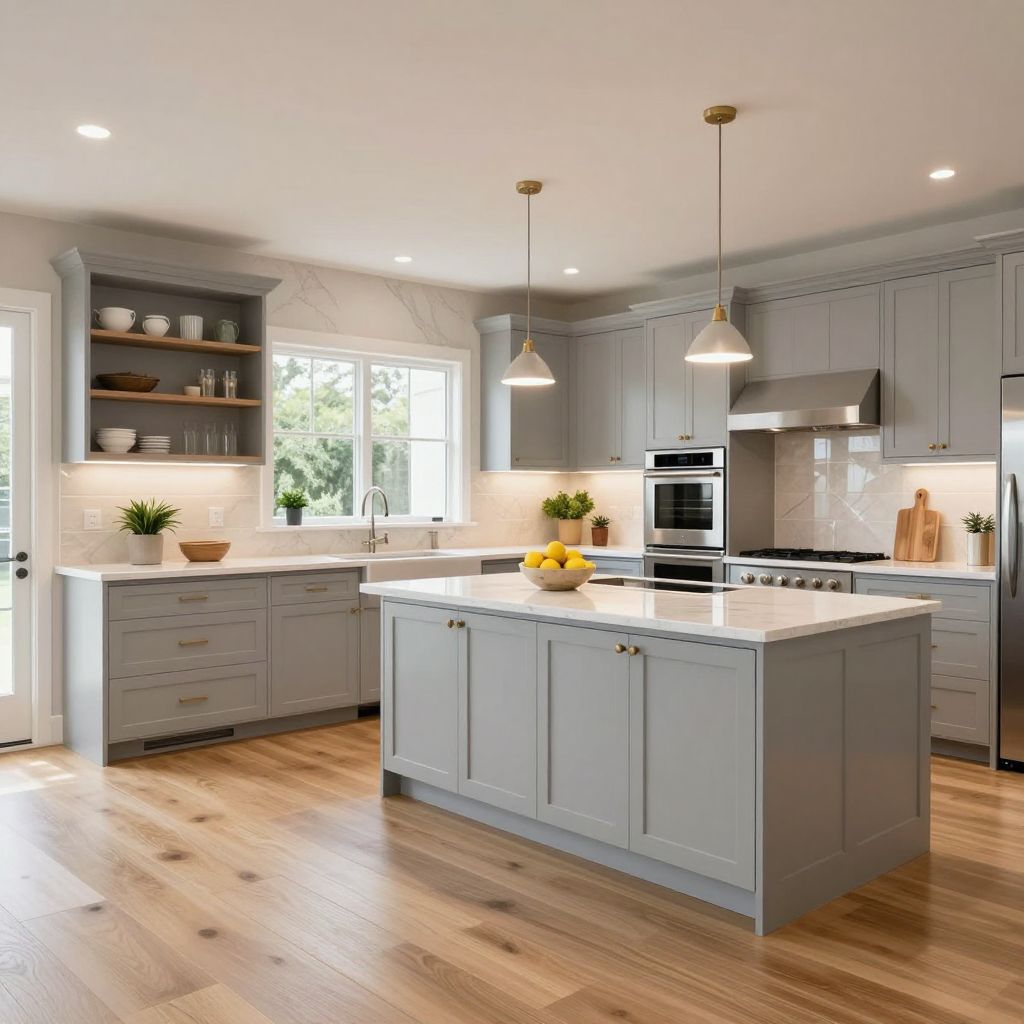
Extending tile or stone into the soffit area can make the upper wall feel deliberate and seamless. You can run tile up to the cabinet line and use the soffit as a clean frame, or carry the backsplash higher for a more custom effect. Pair that with streamlined cabinets, durable counters, satin hardware, and a quiet floor finish so the wall detail stands out.
This approach works well in modern and contemporary kitchens where clean lines matter. It also helps in busy family homes since tile handles splashes and heat better than a plain painted wall. Why leave that upper strip plain when tile can carry the whole look?
- Layout type: Full wall kitchen run
- Cabinet style: Slab, shaker, or mixed fronts
- Countertop material: Quartz or porcelain slab
- Lighting choices: Under cabinet strips, recessed lights
- Storage features: Hidden outlets, pull out drawers
- Optional variations: Use slab backsplash for a seamless finish
This option usually costs more than paint, yet it offers strong durability. I would choose grout colors that stay close to the tile tone so the look stays neat and easy on the eyes. It suits cooks who want style and practicality in one shot.
11. Use the soffit to frame glass cabinets
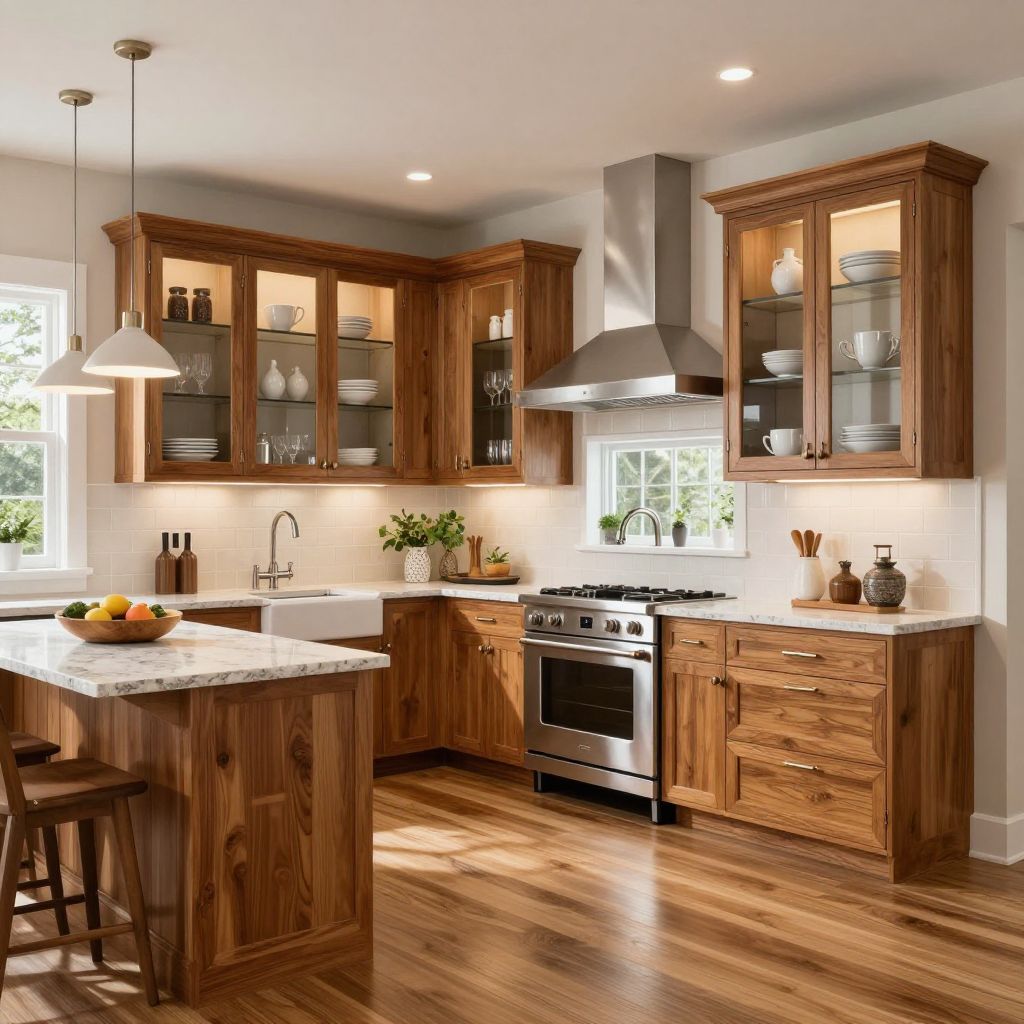
Glass front upper cabinets can make a soffit feel lighter, especially if you frame them with trim or molding. The glass breaks up the bulk of the upper wall and gives you a spot for pretty dishes, glasses, or a few favorite serving pieces. Pair the look with natural stone counters, a neutral backsplash, wood floors, and soft metallic hardware for a balanced finish.
This style works beautifully in transitional kitchens and dining connected spaces. I like it for homes that want a little display space without full open shelving. It feels polished, and yes, your stack of random cups will suddenly need more organization.
- Layout type: Connected kitchen and dining space
- Cabinet style: Glass front uppers with framed doors
- Countertop material: Quartz, marble, or quartzite
- Lighting choices: Cabinet lighting, pendants
- Storage features: Display shelves, internal dividers
- Optional variations: Frosted glass for a softer look
This idea works best when you keep the contents neat, since glass shows everything. I would use it in homes with dishes worth displaying and a real plan for what lives inside the cabinets. It adds charm without changing the layout in a big way.
12. Paint the soffit to match the wall color
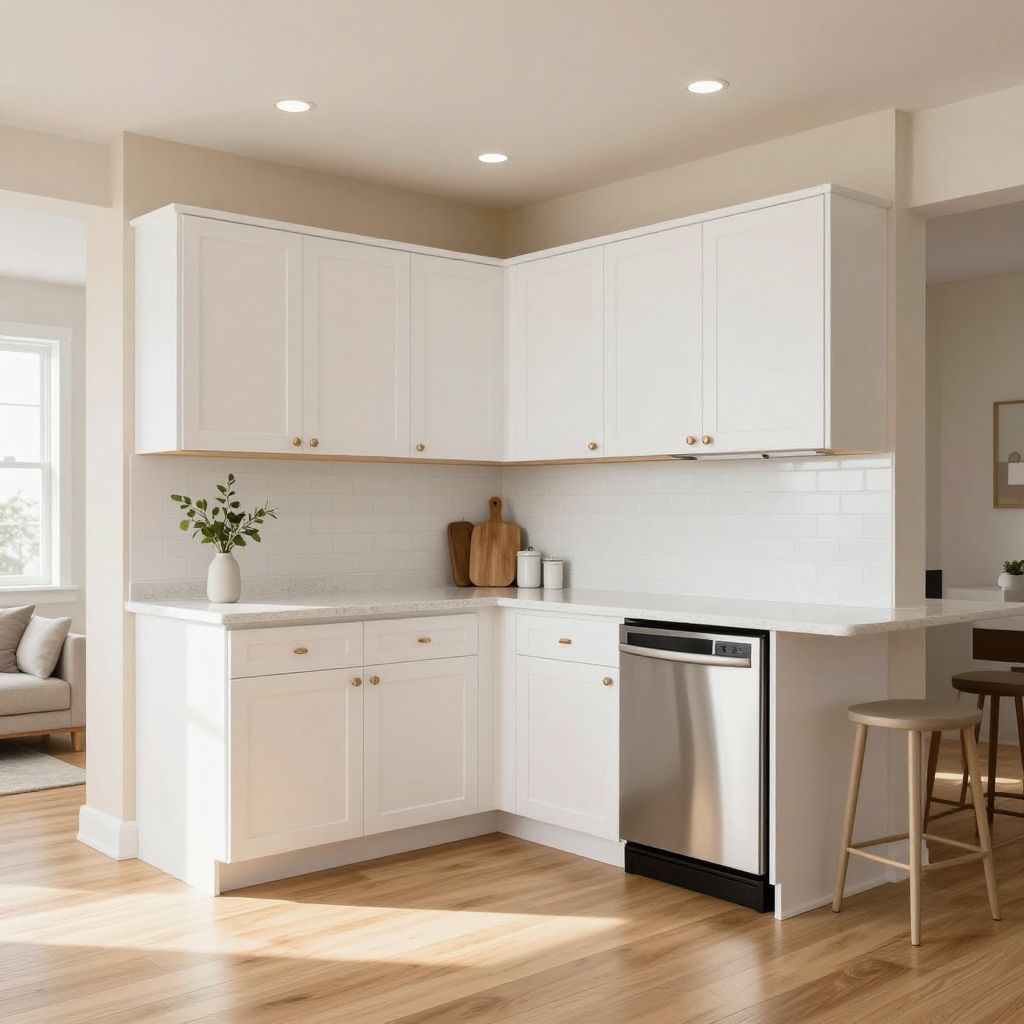
Matching the soffit to the wall color helps it recede, which makes the room feel less chopped up. This trick works especially well if your cabinets sit short of the ceiling and you want a smoother visual line. Add clean front cabinets, a pale countertop, a simple backsplash, and understated hardware for a calm airy space.
I love this in small kitchens, apartments, and older homes with lower ceilings. It creates a quieter background and lets the cabinet doors, countertops, or lighting carry the style. Sometimes the smartest design move is the one that does not ask for applause.
- Layout type: Small kitchen, apartment, or condo
- Cabinet style: Simple shaker or slab
- Countertop material: Light quartz or laminate
- Lighting choices: Bright recessed lighting
- Storage features: Slim pantry pullouts, corner organizers
- Optional variations: Use the same paint on walls and soffit
This is one of the most budget friendly soffit fixes since it relies on paint rather than construction. I would still prep the surface well so seams and patches do not show through. It gives a crisp result with very little fuss.
13. Cover the soffit with vertical paneling
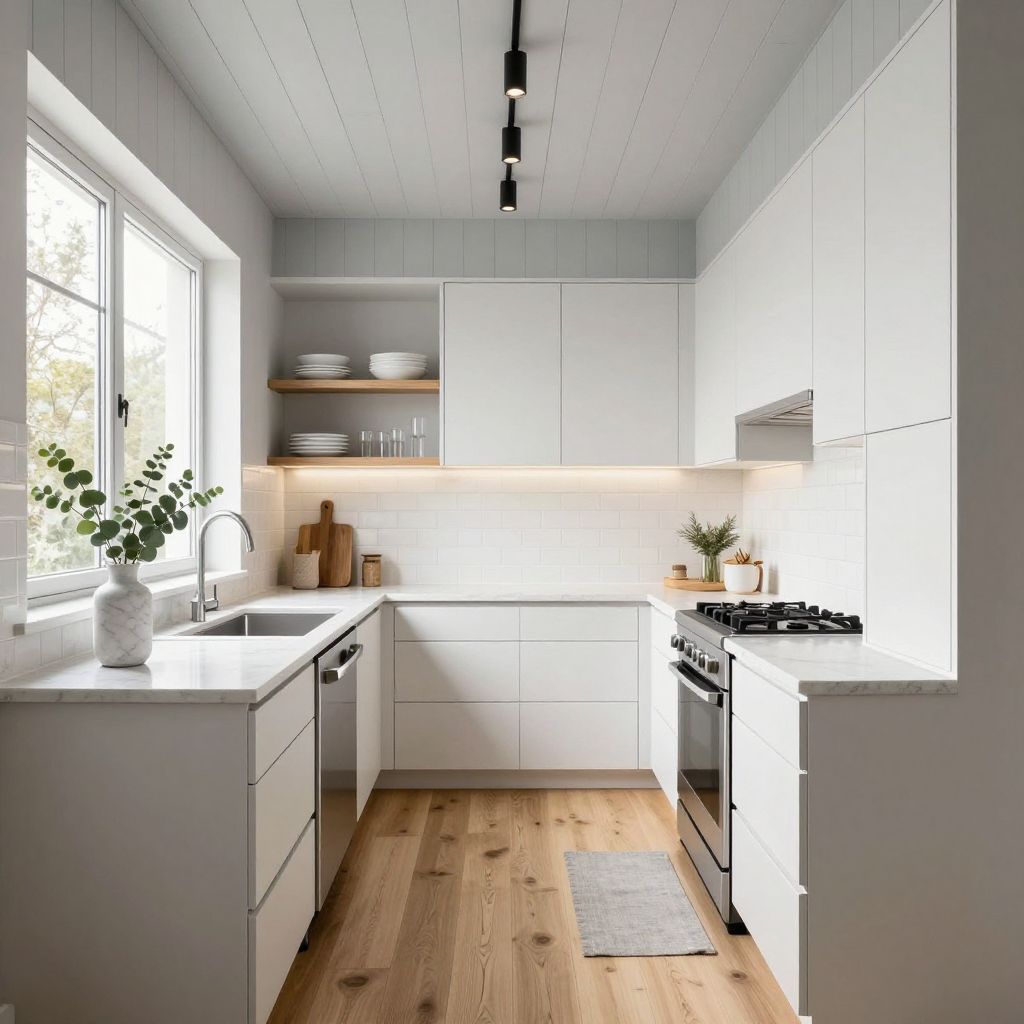
Vertical paneling draws the eye upward and helps a soffit feel taller and more tailored. You can use thin wood slats, painted planks, or decorative panels that match the cabinetry style. Pair it with streamlined cabinets, stone counters, a plain backsplash, and sleek flooring for a modern or Scandinavian inspired kitchen.
This look suits homes that want texture without heavy ornament. I find it especially useful in narrow kitchens, since the vertical lines create a more open feel. A little pattern goes a long way, and this one keeps things tidy.
- Layout type: Narrow galley or streamlined kitchen
- Cabinet style: Flat panel or minimalist shaker
- Countertop material: Quartz, concrete, or butcher block
- Lighting choices: Linear fixtures, downlights
- Storage features: Concealed cabinets, drawer stacks
- Optional variations: Paint paneling in a soft contrast shade
I would use moisture resistant panel material near cooking zones so the finish stays neat over time. This idea can feel custom without a huge change to the room shape. It works best in renovations that want texture and clean lines in equal measure.
14. Blend the soffit into a built in hood surround
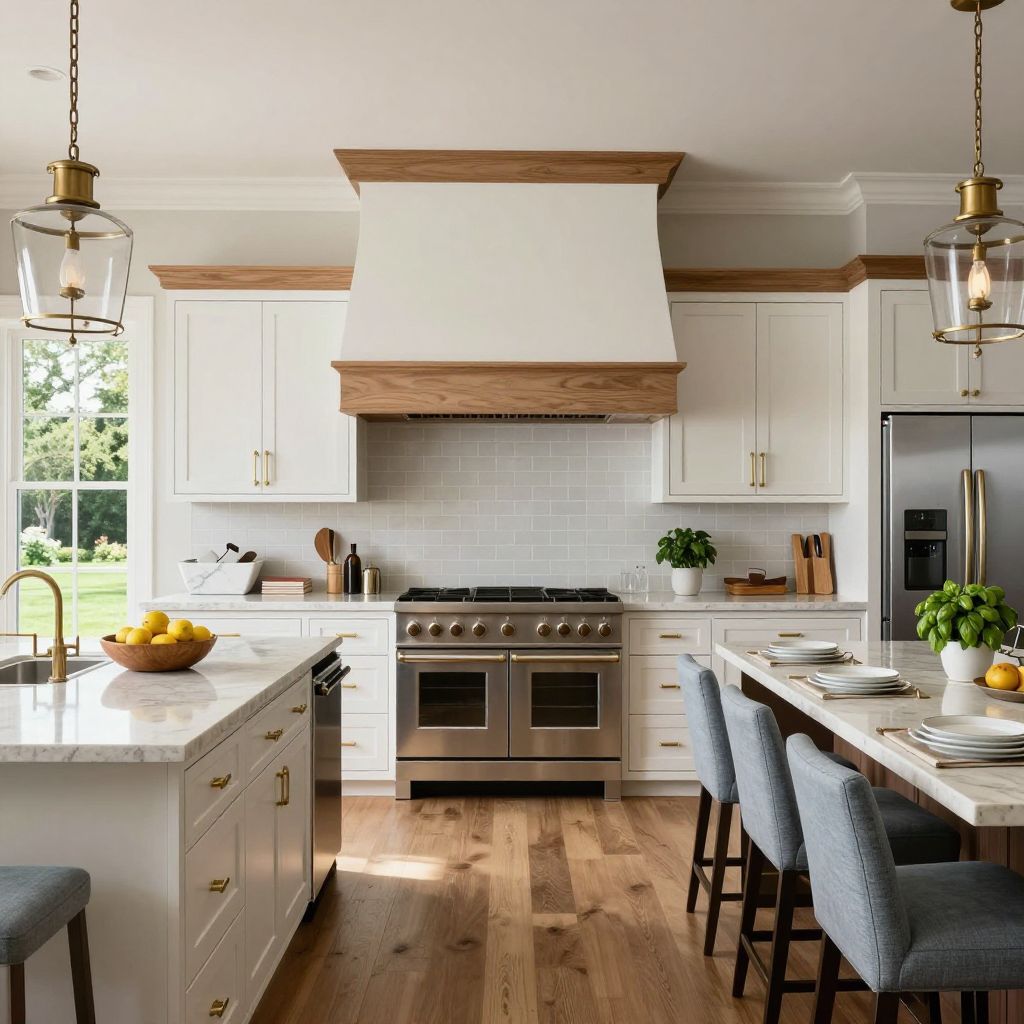
If your soffit sits near the range, turn it into part of a built in hood surround for a more intentional focal point. Use plaster, wood trim, or painted drywall to connect the soffit with the hood and upper cabinets. Pair it with sturdy counters, a coordinating backsplash, durable flooring, and finish hardware that matches the hood details.
This idea works in traditional, transitional, and luxury kitchens where the cooking wall needs presence. I like it for larger homes and open layouts since it gives the eye a clear place to land. It takes the awkward upper box and turns it into part of the show.
- Layout type: Range wall or open concept kitchen
- Cabinet style: Custom shaker, inset, or painted wood
- Countertop material: Quartzite, granite, or marble
- Lighting choices: Sconces, statement pendants
- Storage features: Spice drawers, deep lower cabinets
- Optional variations: Add tile detail inside the hood surround
This solution usually needs a stronger renovation budget, yet it gives a high end finish that lasts. I would ask a contractor to check clearance, venting, and finish details before starting. It works best when you want the room to feel custom and grounded.
15. Use the soffit for a hidden storage bridge
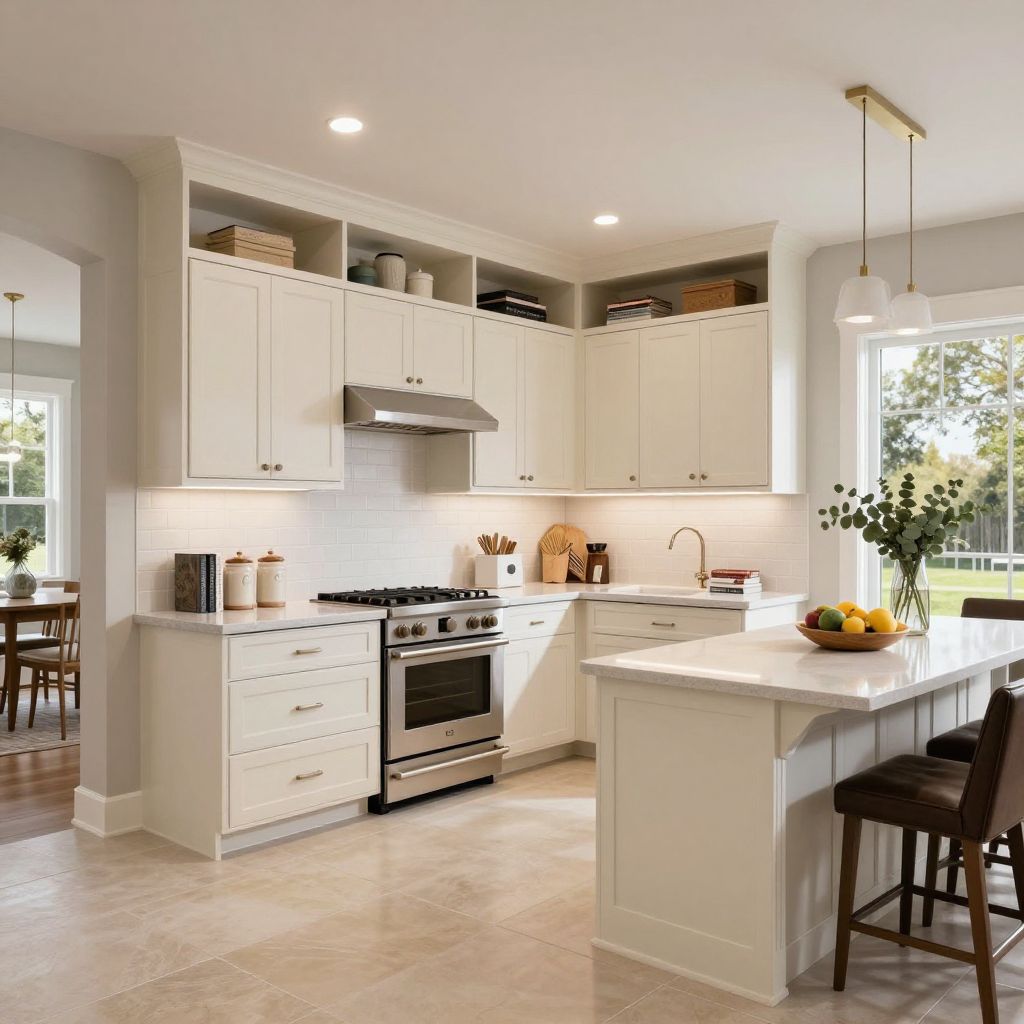
Some soffits can hide shallow storage above upper cabinets or around ductwork, which makes the space more practical than it first looks. You can use custom millwork to create a bridge that stores light items, seasonal dishes, or serving pieces. Pair that with efficient cabinets, durable counters, a hard working backsplash, and easy clean flooring for a practical family kitchen.
This is my pick for people who care more about function than showing off every inch. It suits busy homes, renovation projects, and kitchens with tricky ceiling conditions where you need to make the most of odd dimensions. If a soffit can hide something useful, why let it just sit there and look confused?
- Layout type: Family kitchen or remodel with utility goals
- Cabinet style: Custom or semi custom
- Countertop material: Quartz, laminate, or solid surface
- Lighting choices: Task lighting and ceiling lights
- Storage features: Hidden bridge storage, upper bins
- Optional variations: Use doors that match the upper cabinets
This idea can cost more if you need custom carpentry, yet it pays off in real storage. I would use it when the soffit already exists and you want to squeeze more usefulness out of the space. It keeps the kitchen practical without making the design look forced.
Frequently Asked Questions
Can I remove a kitchen soffit completely?
You can remove some soffits, but you need to check for ductwork, wiring, or structural parts first. I would never guess with a wall opening and hope for the best.
If the soffit hides mechanical parts, you may need to work around it instead of tearing it out.
What is the cheapest way to update a soffit?
Paint gives you the fastest budget friendly fix. Match it to the cabinets or wall color for a cleaner look.
Simple trim can help too if you want a more finished edge without a full remodel.
How do I make a soffit look taller?
Use vertical lines, light colors, or cabinets that reach closer to the ceiling. Those tricks pull the eye up and make the room feel less squat.
Thin crown molding or slim paneling can help too.
Do soffits work in small kitchens?
Yes, they can work well if you treat them as part of the whole design. Paint them to blend in, or use them to support extra storage.
Small kitchens often look better when the soffit stops feeling like a random box.
Can I add lighting inside a soffit?
Yes, and that can create a soft glow near upper cabinets or a hood area. LED strip lighting works well for this kind of setup.
Ask an electrician to plan the wiring before any drywall or trim work starts.
What soffit idea fits a farmhouse kitchen?
Wood trim, beadboard, or painted molding usually fits a farmhouse look best. Those details add charm without making the room feel fussy.
Pair them with shaker cabinets and warm metals for a relaxed finish.
Final Thoughts
Kitchen soffit ideas can change a room faster than people expect. A soffit can blend in, show off texture, hide storage, or frame the cabinets in a way that feels intentional.
The best choice depends on your layout, budget, and how much change you want to take on. Some kitchens need a simple paint fix, and others deserve custom millwork, better lighting, or a ceiling to cabinet rebuild.
Pick the option that fits your house and your daily life, then trust your own taste a little more than the latest trend. You will know the right answer when the kitchen starts feeling easier to live in.
If you want more home decor and kitchen inspiration, keep exploring ideas for your space with kitchen ceiling ideas and kitchen lighting ideas. Fresh design details can make a bigger difference than you think, and your next favorite update might be one click away.