
Staring at a kitchen where tile meets wood and wondering what now is basically a remodeling rite of passage. The good news is that this tiny detail can make the whole room feel polished, connected, and a lot less awkward.
I have spent enough time staring at floor edges in unfinished kitchens to know one thing. The right kitchen tile to wood floor transition ideas can make a space look planned instead of patched together by a contractor with a coffee break problem.
kitchen tile to wood floor transition ideas
1. Straight Metal Transition Strip
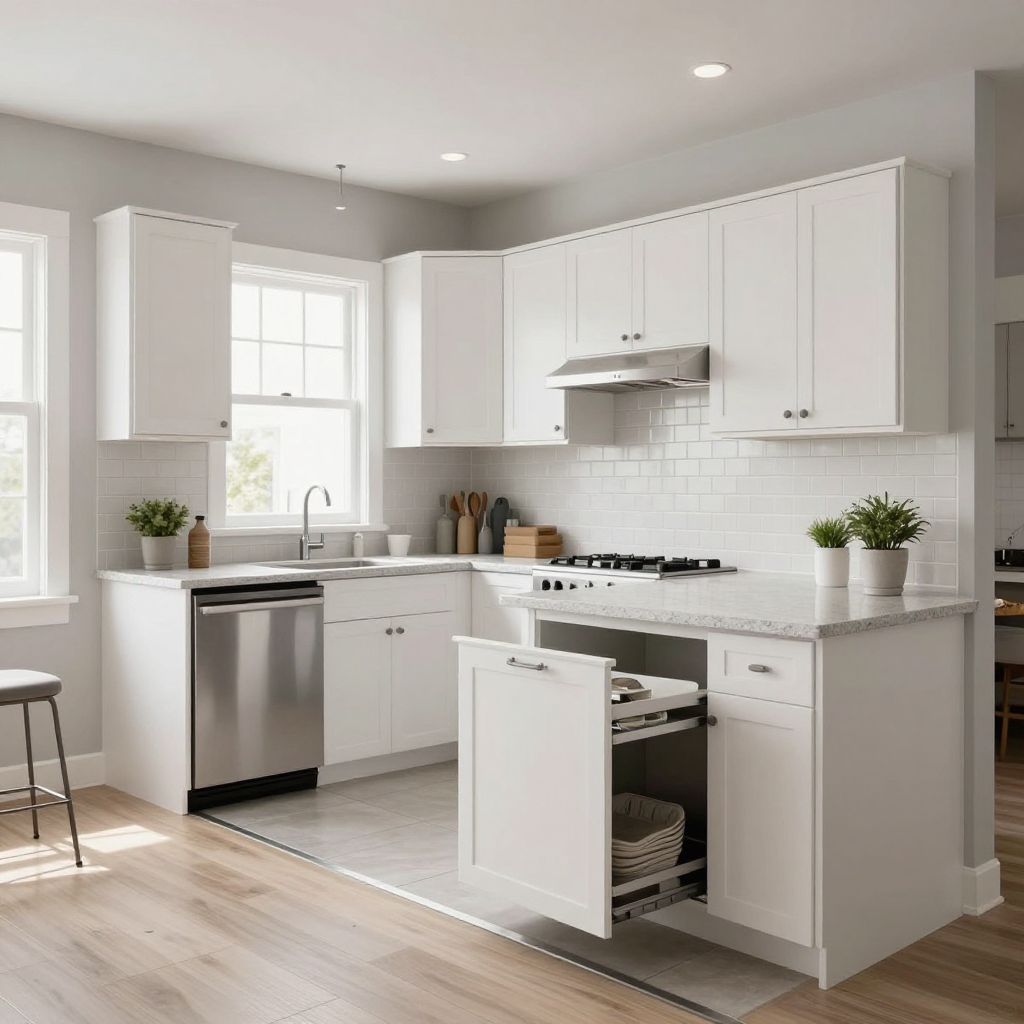
A straight metal transition strip gives a clean line between the tile and wood. I like this in kitchens with a simple layout and crisp cabinets, since the strip reads tidy without stealing attention from the rest of the room. Pair it with shaker cabinets, quartz counters, and a bright backsplash for a look that feels calm and modern.
- Layout type: Galley, L shape, compact open plan
- Cabinet style: Shaker or flat panel
- Countertop material: Quartz
- Lighting choices: Recessed lights and simple pendants
- Storage features: Pull out pantry, deep drawers
- Optional variations: Brushed nickel, matte black, stainless trim
This setup works well in apartments, compact kitchens, and renovation projects where the two flooring materials sit at nearly the same height. It keeps maintenance easy and budget friendly. Brushed nickel or matte black hardware can echo the metal strip and make the whole design feel intentional. Who knew one little line could save the day?
2. Wood Threshold With Matching Stain
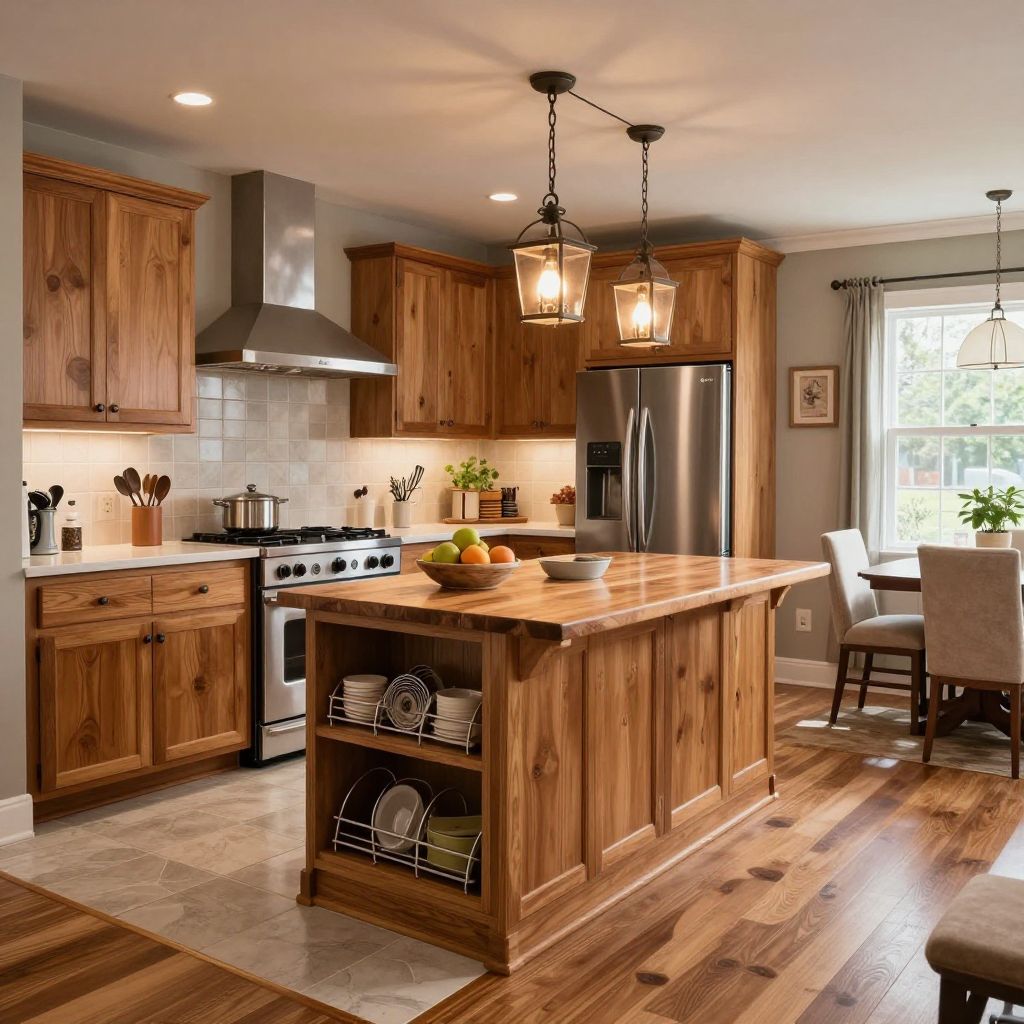
A wood threshold makes the transition feel soft and warm. I love this choice when the wood floor carries into a kitchen with classic cabinets and a cozy color palette. The threshold can match the floor stain or sit one shade darker for a subtle frame around the tile area.
- Layout type: Eat in kitchen, open concept, U shaped
- Cabinet style: Raised panel or shaker
- Countertop material: Butcher block, granite, quartz
- Lighting choices: Lantern pendants, undercabinet lights
- Storage features: Plate racks, drawer dividers
- Optional variations: Stain matched oak, walnut, painted threshold
Use this idea in family homes, traditional kitchens, or spaces that need a more finished look than a metal strip can give. It works with classic trim and warm finishes. It costs less than a full flooring change and keeps the room feeling grounded. It feels a little old school in the best way, like the kitchen knows what it is doing.
3. Wide Contrast Border
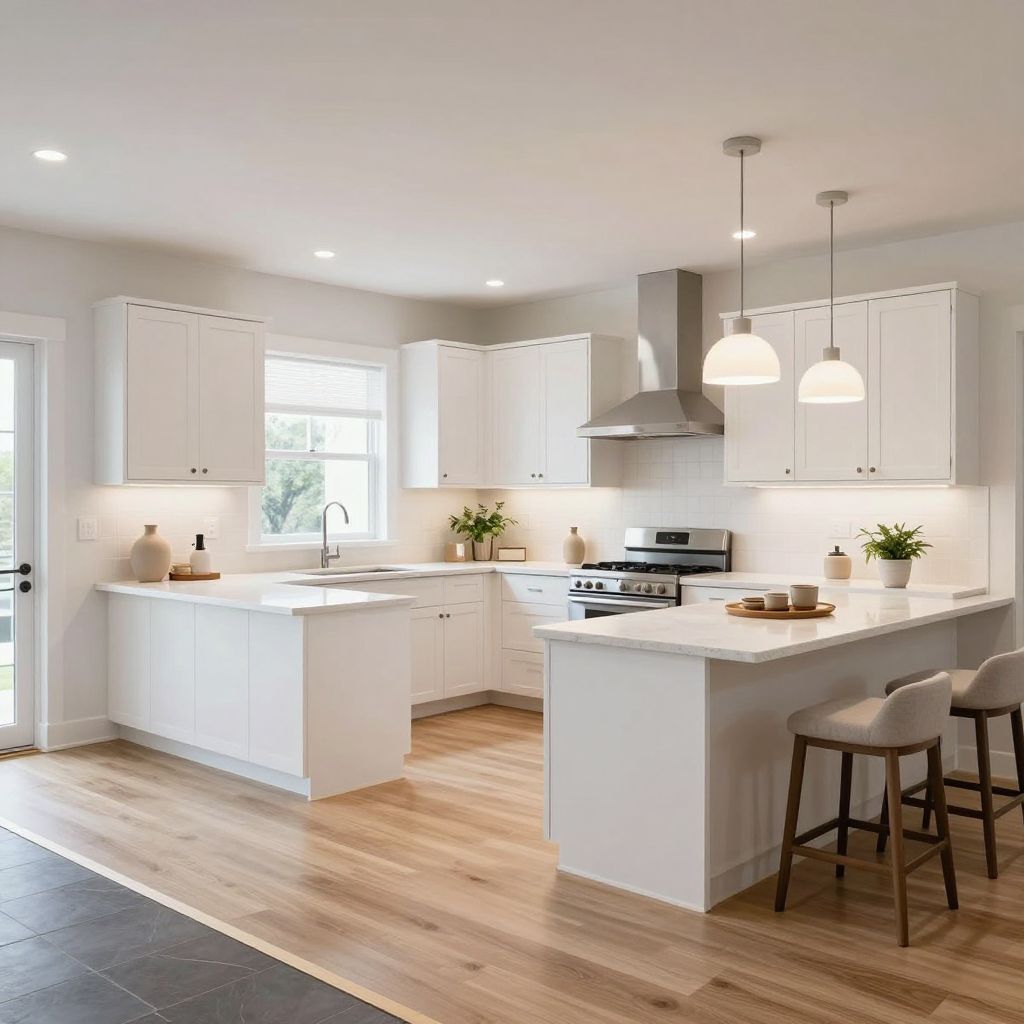
A wide contrast border creates a strong visual break between tile and wood. I like this for kitchens that need a little structure, especially open concept rooms where the flooring runs into more than one zone. A dark border against pale wood or a light border against rich wood both make the layout feel deliberate.
- Layout type: Open concept, large kitchen, great room connection
- Cabinet style: Flat panel or minimalist shaker
- Countertop material: Quartz or solid surface
- Lighting choices: Track lighting, large pendants
- Storage features: Hidden drawers, tall pantry cabinets
- Optional variations: Dark walnut border, light oak border, stained trim
Pair this with flat front cabinets, slab counters, and simple hardware if you want a contemporary edge. The border gives the eye a stopping point, which helps if the room has a lot of visual noise already. It suits modern and contemporary homes best. It needs careful planning, so I would use it in a remodel with a good flooring installer and a clear layout drawing. Why let the floor do all the talking?
4. Curved Transition for Soft Flow
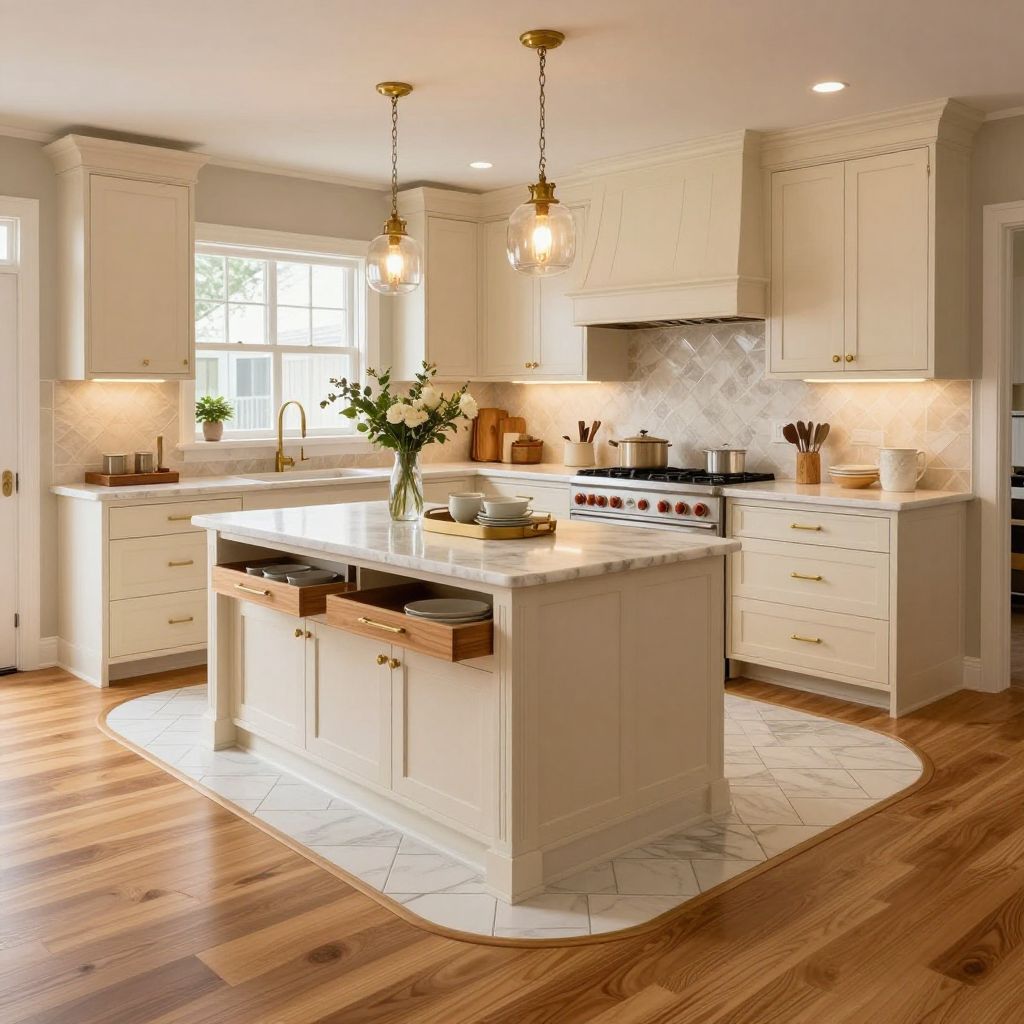
A curved transition makes the floor change feel softer and less rigid. This works in kitchens with rounded islands, arched details, or cabinetry that leans more traditional than sharp modern. The curve turns the transition into a design moment instead of a random seam.
- Layout type: Island centered, traditional, older home remodel
- Cabinet style: Inset or shaker
- Countertop material: Marble or quartz with soft veining
- Lighting choices: Glass pendants, sconces, undercabinet lighting
- Storage features: Corner cabinets, pull out trays
- Optional variations: Gentle radius edge, curved inlay, arched threshold
Try this with creamy cabinets, marble counters, and a soft patterned backsplash. Add oak flooring, brushed brass hardware, and warm pendant lights for a look that feels a little romantic without going full fancy pants. It also helps in older homes where walls and floors may not line up perfectly. This choice takes more skill and more budget, but the result looks custom. It fits transitional and traditional kitchens that need a softer edge between surfaces.
5. Stone Inset Between Materials
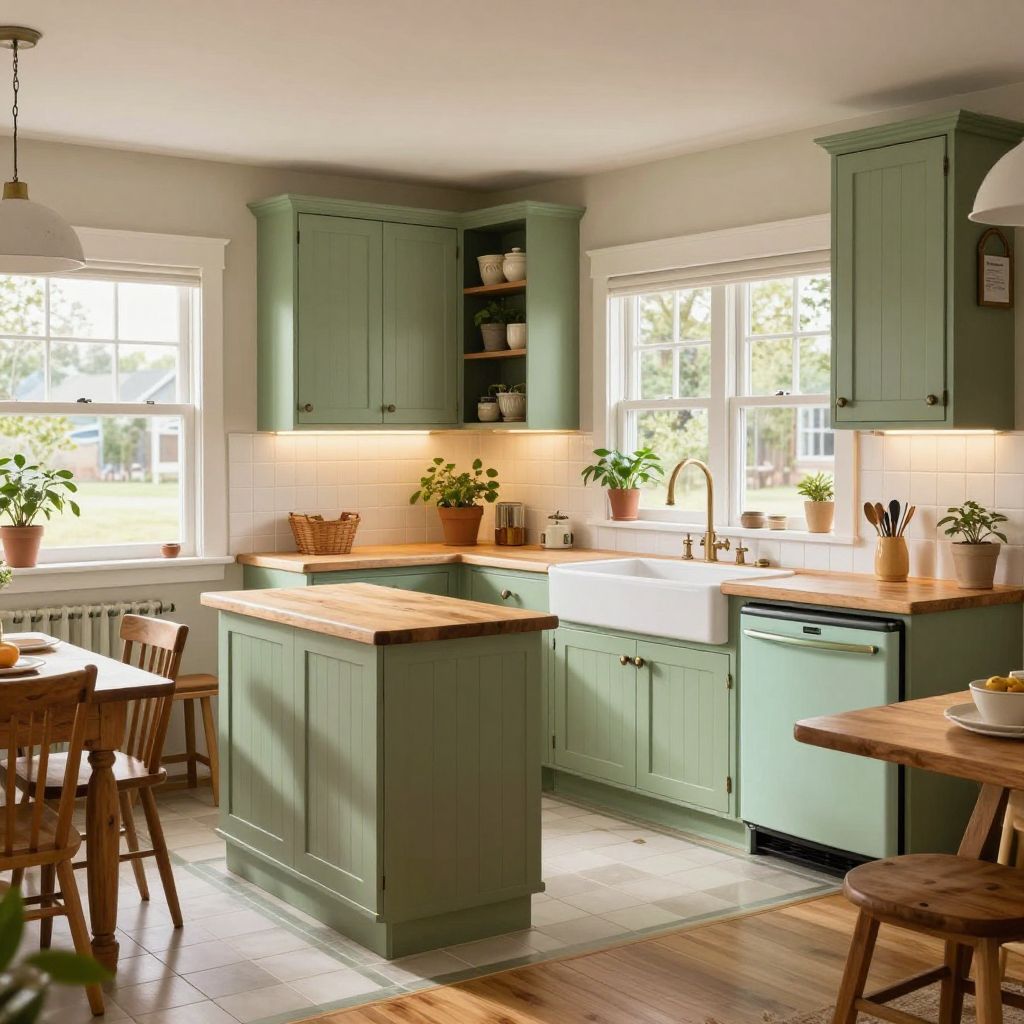
A stone inset gives the transition a polished, high end feel. I like this for kitchens with tile near cooking zones and wood in the main walkway, since the inset can stand up to traffic and spills. Natural stone or porcelain that mimics stone both work well here.
- Layout type: Large kitchen, entertaining space, open plan
- Cabinet style: Transitional or contemporary
- Countertop material: Quartz, marble, honed granite
- Lighting choices: Recessed lights, statement pendants
- Storage features: Appliance garage, deep storage drawers
- Optional variations: Honed limestone look, porcelain stone inset
Pair it with rich wood cabinets, a quiet backsplash, and sleek appliances for a refined contemporary look. The stone section can act like a visual bridge between two floor types, which saves the room from looking chopped up. Small detail, big effect, which is honestly most of good design. This approach works best in homes with a mid to higher budget. It looks clean, lasts well, and suits kitchens where the flooring needs to feel intentional and durable.
6. Thin Grout Line Color Match
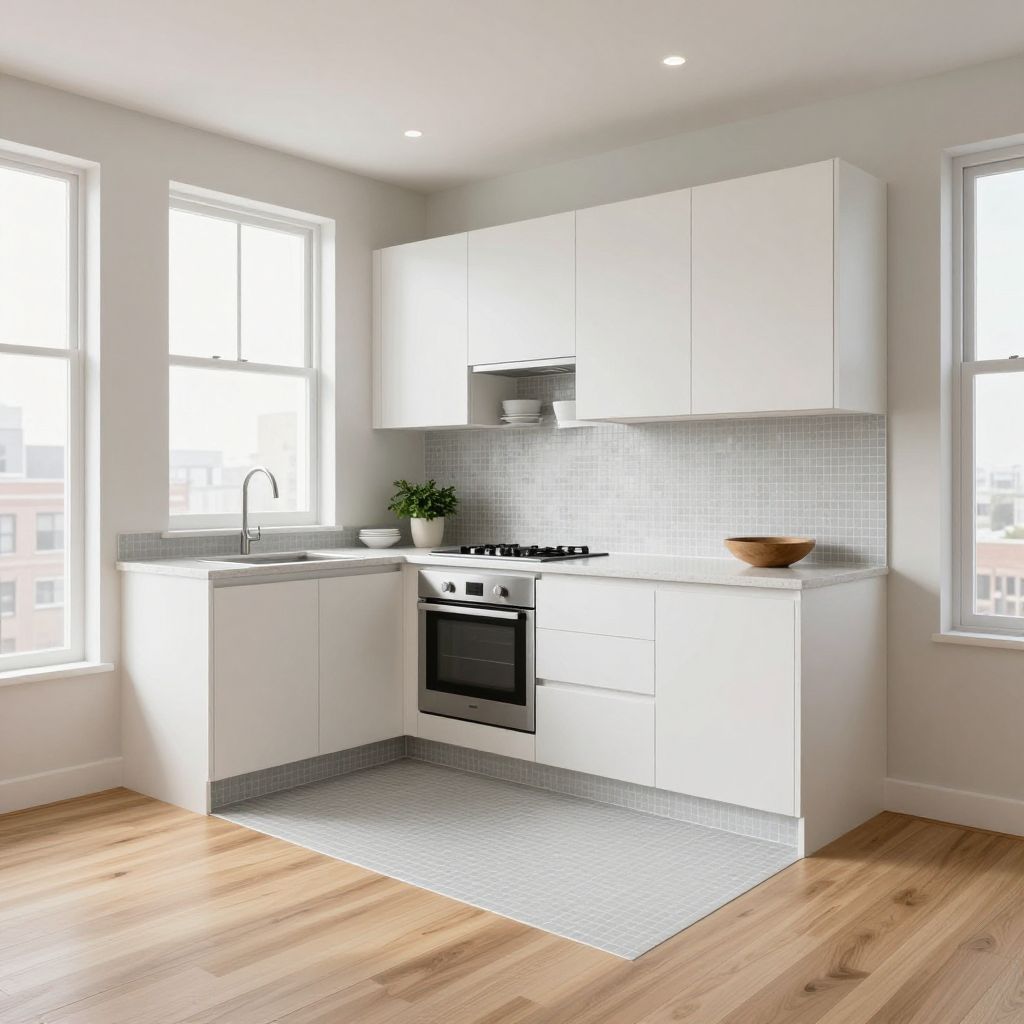
A thin grout line in a matching color keeps the transition subtle. I reach for this look when I want the kitchen tile to wood floor transition ideas to stay quiet rather than showy. It works well if the two materials already share a similar tone, since the seam almost disappears.
- Layout type: Small kitchen, minimalist plan, condo space
- Cabinet style: Slab or flat panel
- Countertop material: Quartz or matte laminate
- Lighting choices: Recessed ceiling lights
- Storage features: Hidden hardware, slim cabinets
- Optional variations: Grout matched to tile, tone on tone seam
This is a smart pick for minimalist kitchens, smaller rooms, and homes that lean clean and simple. Use slab cabinets, matte counters, and hidden pulls to keep the whole space calm. Add soft white lighting and you get that neat, unfussy look people always pretend they achieved by accident. This option costs less than many decorative transitions and keeps upkeep simple. It works best if your tile and wood already have close color families.
7. Decorative Mosaic Strip
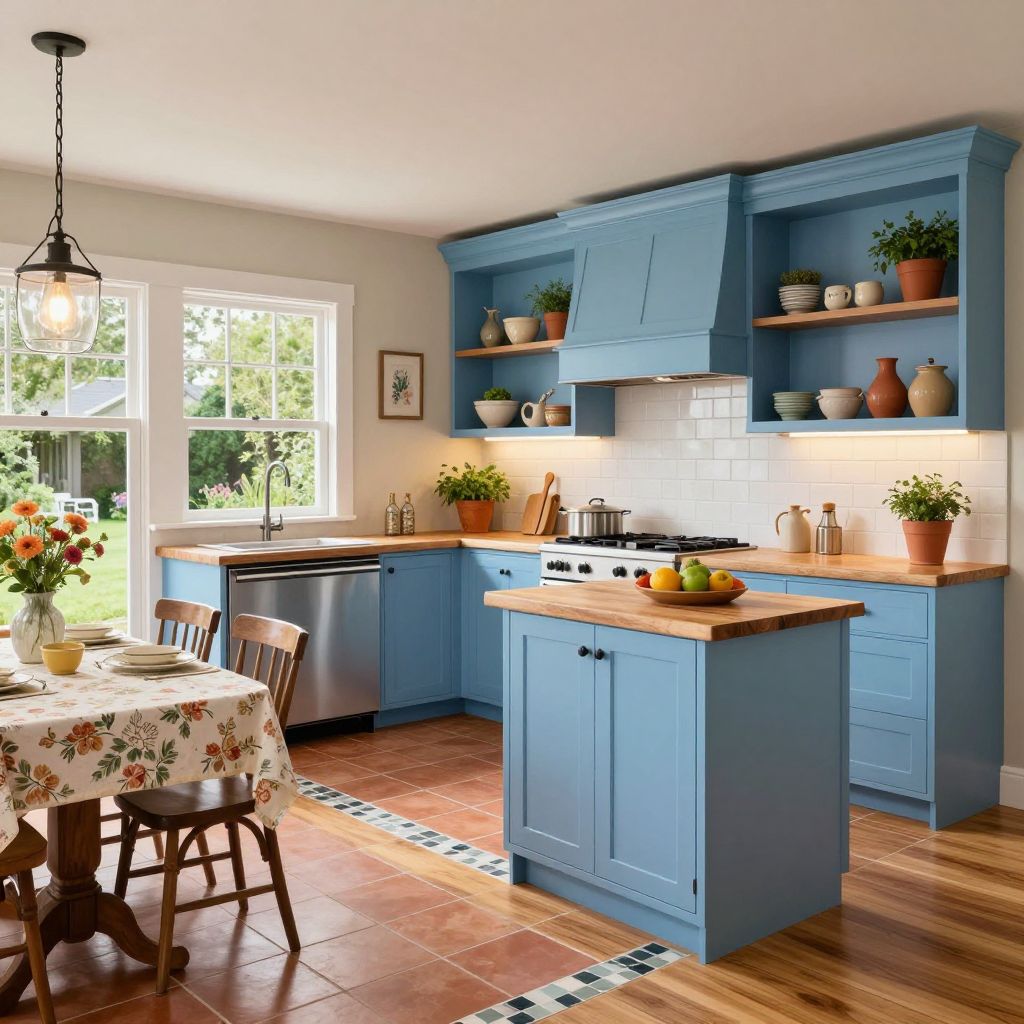
A decorative mosaic strip turns the transition into a feature. I like this in kitchens that need a little personality, especially if the cabinets and counters stay fairly simple. A narrow band of mosaic tile can link the floor materials and bring in a color from the backsplash or decor.
- Layout type: Cottage style, eclectic, family kitchen
- Cabinet style: Painted shaker or inset
- Countertop material: Quartz, soapstone, butcher block
- Lighting choices: Pendant lights, undercabinet strips
- Storage features: Open shelves, tray storage
- Optional variations: Glass mosaic, stone mosaic, patterned insert
Choose this for eclectic kitchens, cottage spaces, or remodels that want a custom touch without a full redesign. Pair it with painted cabinets, mixed metal hardware, and open shelving for a more collected look. If your kitchen needs a spark, this does the trick without screaming for attention. This style needs careful color matching so it does not feel busy. It works best in kitchens with enough visual breathing room to handle a decorative detail.
8. Flush Tile Edge Into Wood
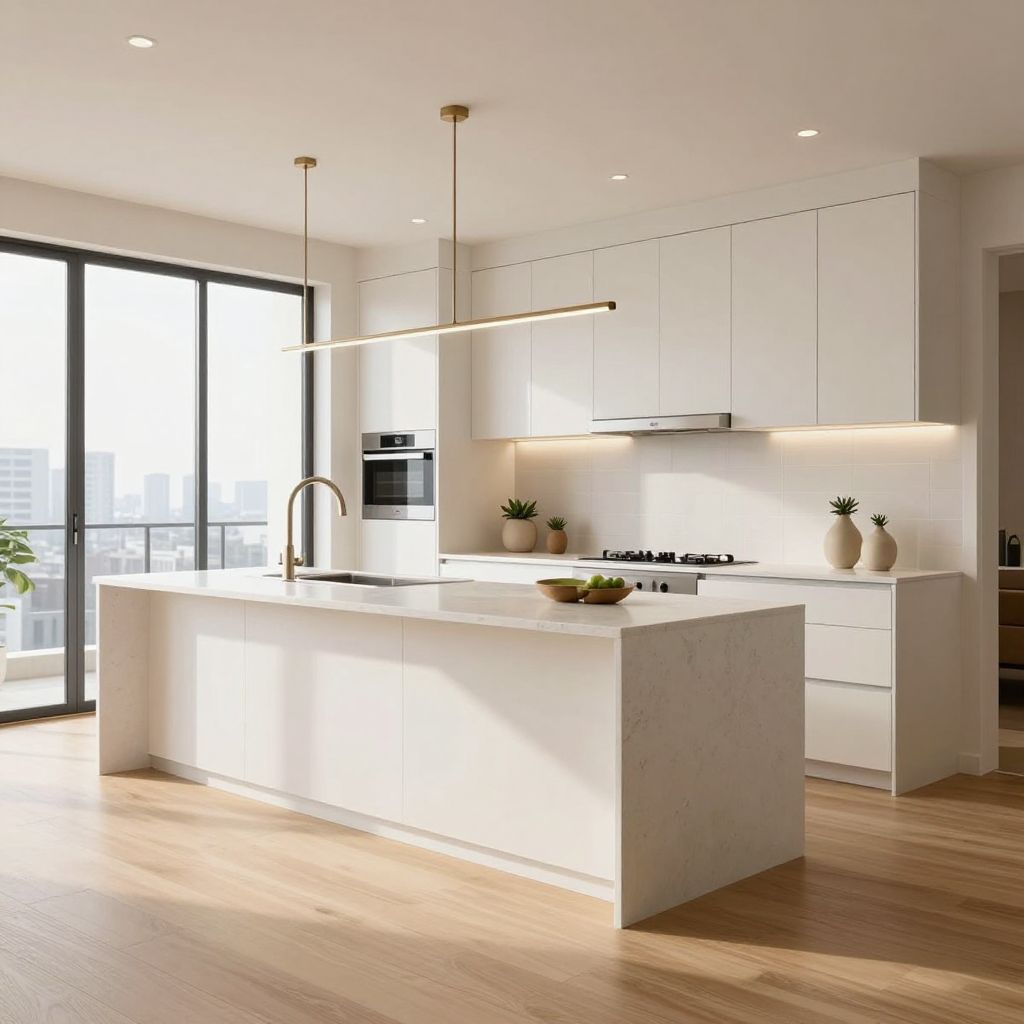
A flush edge keeps both floors at the same height and creates a smooth visual line. I like this in newer homes where the subfloor allows a clean install, since the result feels sleek and almost seamless. The transition looks especially sharp with light cabinets, pale wood, and a simple backsplash.
- Layout type: Open concept, new build, condo kitchen
- Cabinet style: Flat panel or minimalist shaker
- Countertop material: Quartz or porcelain slab
- Lighting choices: Recessed lights, linear pendants
- Storage features: Built in organizers, panel ready appliances
- Optional variations: Continuous grain direction, color matched edge
Use this in modern kitchens, condo kitchens, or open layouts that connect to dining spaces. Add integrated appliances, slim hardware, and soft neutral colors for a polished finish. No raised edge, no awkward toe stub, no drama. Such a relief. This transition works best during a remodel where flooring heights can be planned from the start. It costs more to fix later, so early planning pays off.
9. Dark Trim for a Bold Line
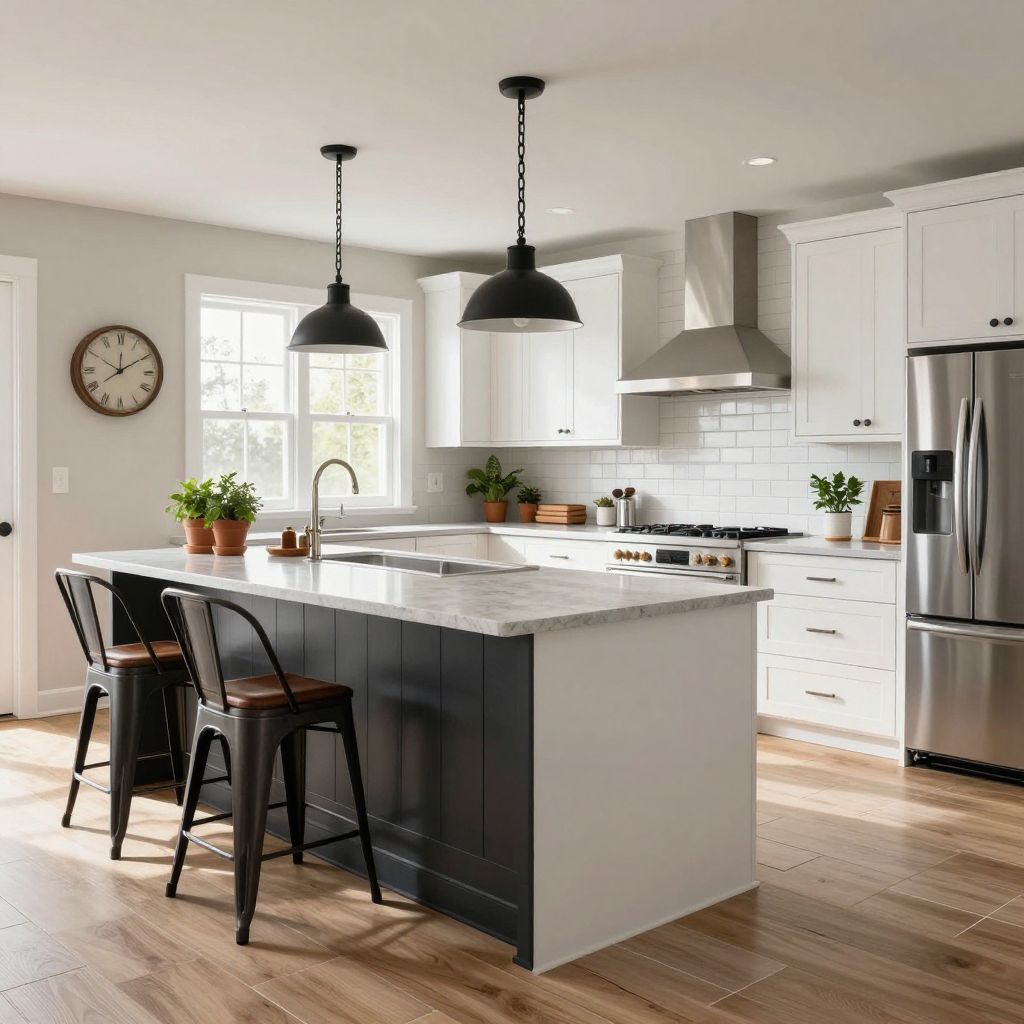
Dark trim gives a sharp, defined border between tile and wood. I like this when the kitchen uses light floors and white cabinets, since the trim adds contrast and keeps the space from looking washed out. It pairs well with charcoal grout, black hardware, and darker appliance finishes.
- Layout type: Large family kitchen, open concept, modern farmhouse
- Cabinet style: Shaker or flat panel
- Countertop material: Quartz, soapstone, honed granite
- Lighting choices: Black pendant lights, task lighting
- Storage features: Pantry wall, drawer stacks
- Optional variations: Matte black trim, espresso trim, charcoal edge
This idea suits modern farmhouse, industrial, and transitional kitchens. If your room needs a little punch, the dark line gives it structure without taking over the whole floor plan. It works in bigger kitchens too, where a bold edge helps anchor the space. This option needs a little confidence, but it rewards you with a strong design line. It also hides some everyday wear better than pale trim.
10. Natural Stone Medallion Transition
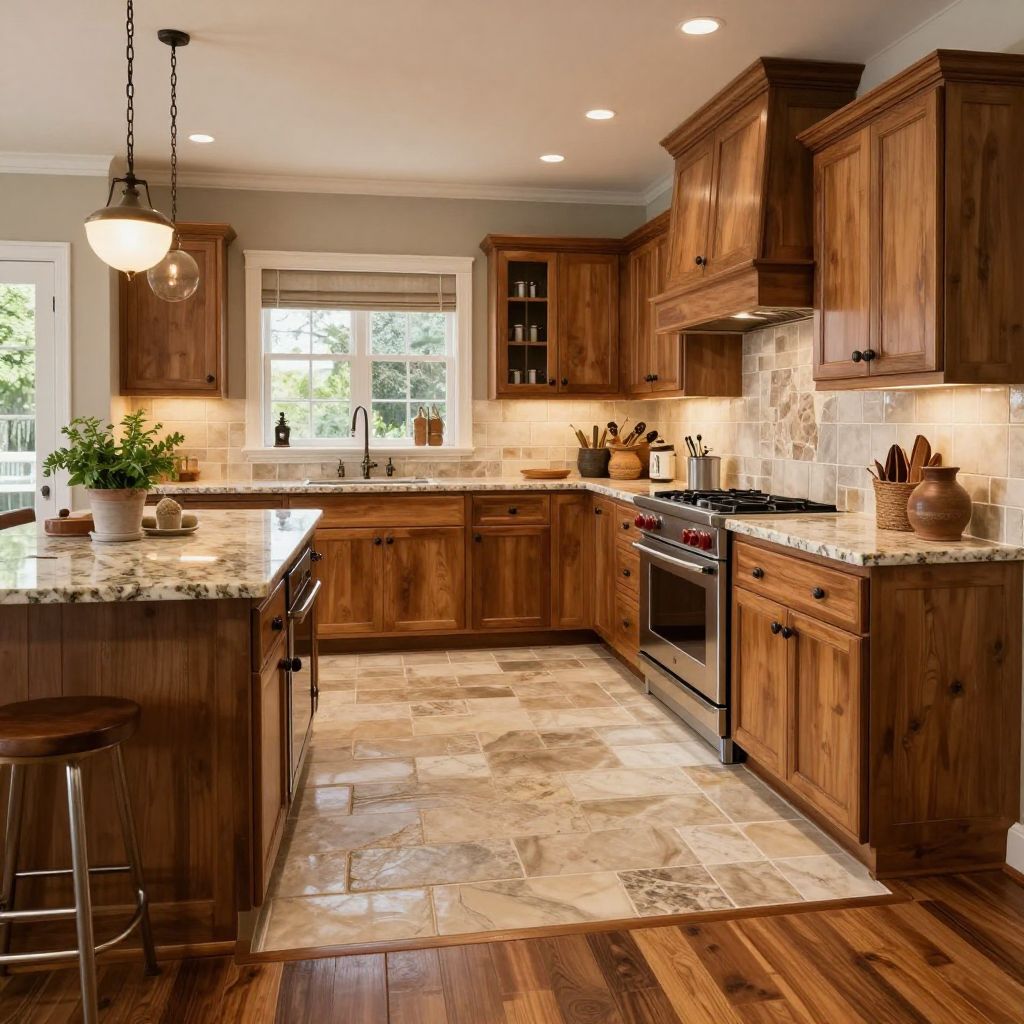
A natural stone medallion creates a small focal point where the floors meet. I like this in kitchens with a larger footprint, where the transition can become part of the room story. The stone can repeat a tone from the countertops or backsplash and tie the whole palette together.
- Layout type: Traditional kitchen, large entry into kitchen, entertaining space
- Cabinet style: Raised panel, inset, classic shaker
- Countertop material: Granite, marble, quartz
- Lighting choices: Chandelier style pendants, undercabinet glow
- Storage features: Glass front cabinets, built in spice storage
- Optional variations: Circular medallion, square inset, custom stone mix
Pair it with warm wood cabinets, classic lighting, and a timeless backsplash for a more traditional look. This works well in homes that want something custom without going over the top. It feels like a detail a house keeps secret until you notice it. This choice costs more than a simple strip, but it creates a richer finish. It works best in homes that already lean traditional or custom.
11. Matching Wood Inlay Pattern
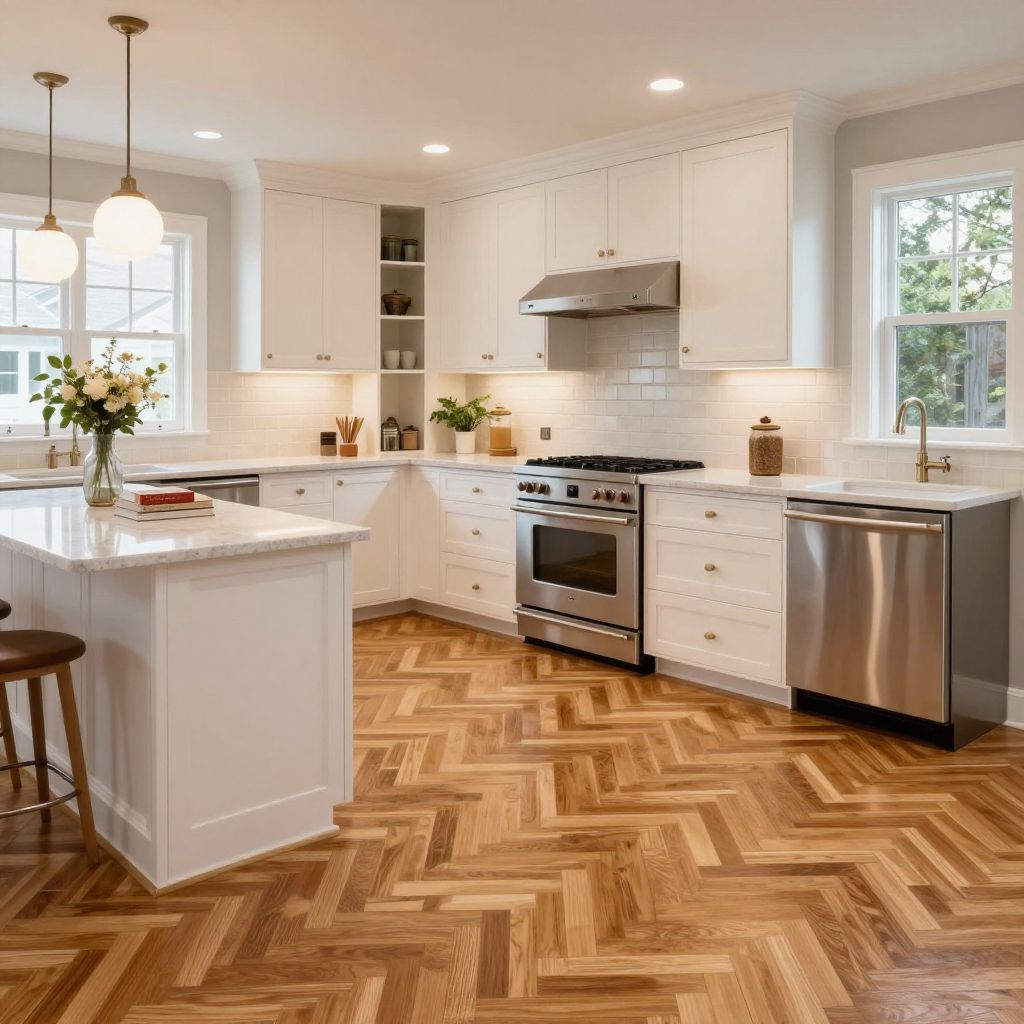
A matching wood inlay makes the transition read like part of the floor plan. I like this when the wood floor runs through part of the kitchen and tile covers the cooking zone, since the inlay keeps the materials connected. The pattern can stay simple or add a subtle border for a little more character.
- Layout type: Transitional, open plan, older remodel
- Cabinet style: Shaker or inset
- Countertop material: Quartz or honed stone
- Lighting choices: Pendant lights, recessed task lights
- Storage features: Full height pantry, drawer inserts
- Optional variations: Border inlay, herringbone accent, tone matched wood
Use this in transitional spaces, renovated older homes, and kitchens that open into living rooms. Add white or taupe cabinets, stone counters, and understated hardware so the floor detail stays the star. If you love quiet luxury, this one hits the mark without trying too hard. This option works best with skilled installation and careful color matching. It gives the room a custom feel and suits homeowners who want a smoother visual bridge.
12. Tile Border With Wood Center Walkway
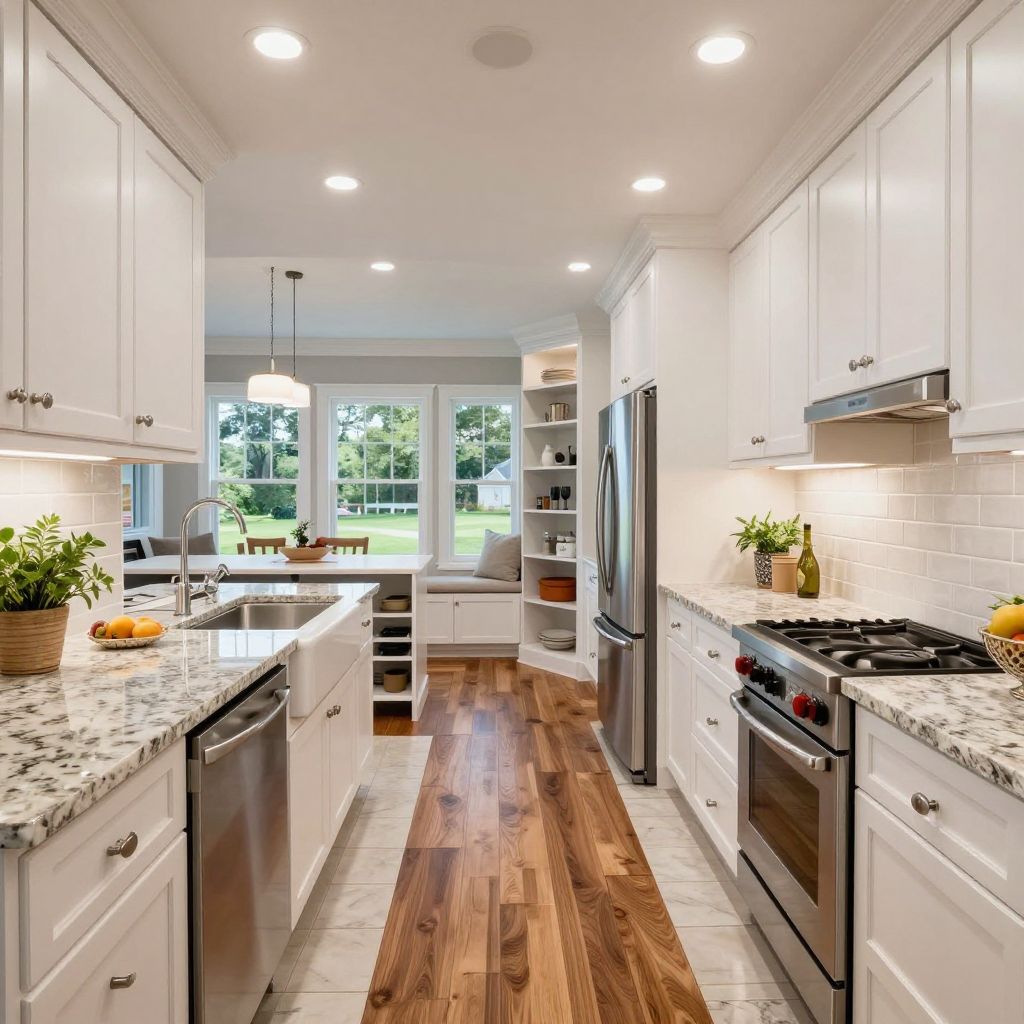
A tile border with a wood center walkway gives the kitchen a clear path and a strong frame. I love this in larger kitchens where traffic flows through the middle and the edges need durability. The border can use the same tile as the cooking zone, while the wood center keeps the room warm.
- Layout type: Large family kitchen, galley with wide center path
- Cabinet style: Shaker or transitional
- Countertop material: Quartz or granite
- Lighting choices: Layers of ceiling, task, and accent light
- Storage features: Pull out trash, large pantry, tray dividers
- Optional variations: Wide tile frame, narrow wood path, mixed tone border
This setup suits family homes and busy kitchens that see a lot of movement from morning to night. Pair it with sturdy cabinets, durable counters, and layered lighting so the room works hard and still looks good. The design feels practical, which, shocking news, can still look great. This layout keeps high traffic areas more durable. It works well for families who need low fuss flooring with a polished finish.
13. Herringbone Tile Meeting Plank Wood
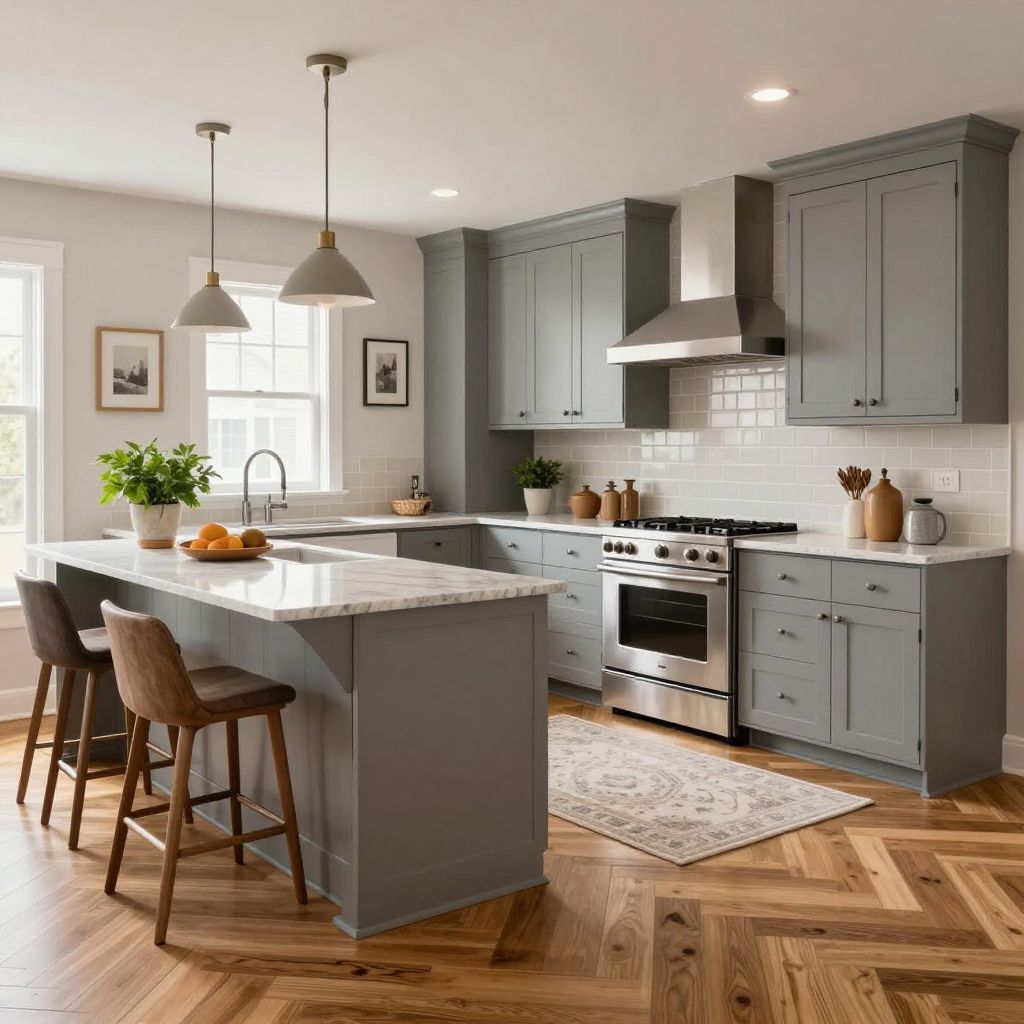
Herringbone tile meeting straight plank wood adds movement without chaos. I like this combo when you want the kitchen to feel custom and a little more playful. The angled tile pattern naturally marks the floor change and gives the room a richer visual rhythm.
- Layout type: Transitional kitchen, open plan, stylish remodel
- Cabinet style: Shaker, slim shaker, flat panel
- Countertop material: Quartz or marble look stone
- Lighting choices: Sconces, pendants, recessed lights
- Storage features: Tall pantry, hidden charging drawer
- Optional variations: Herringbone porcelain, wood look tile, angled border
Use this in contemporary or transitional kitchens with clean cabinetry and simple counters. A soft neutral backsplash, brushed hardware, and warm white lighting keep the pattern from feeling too busy. If you love detail, this one gives you something to admire every time you walk in for coffee. This design needs precise installation, so budget for skilled labor. It suits homes that want a more custom personality and a strong visual finish.
14. Soft Tone on Tone Blend
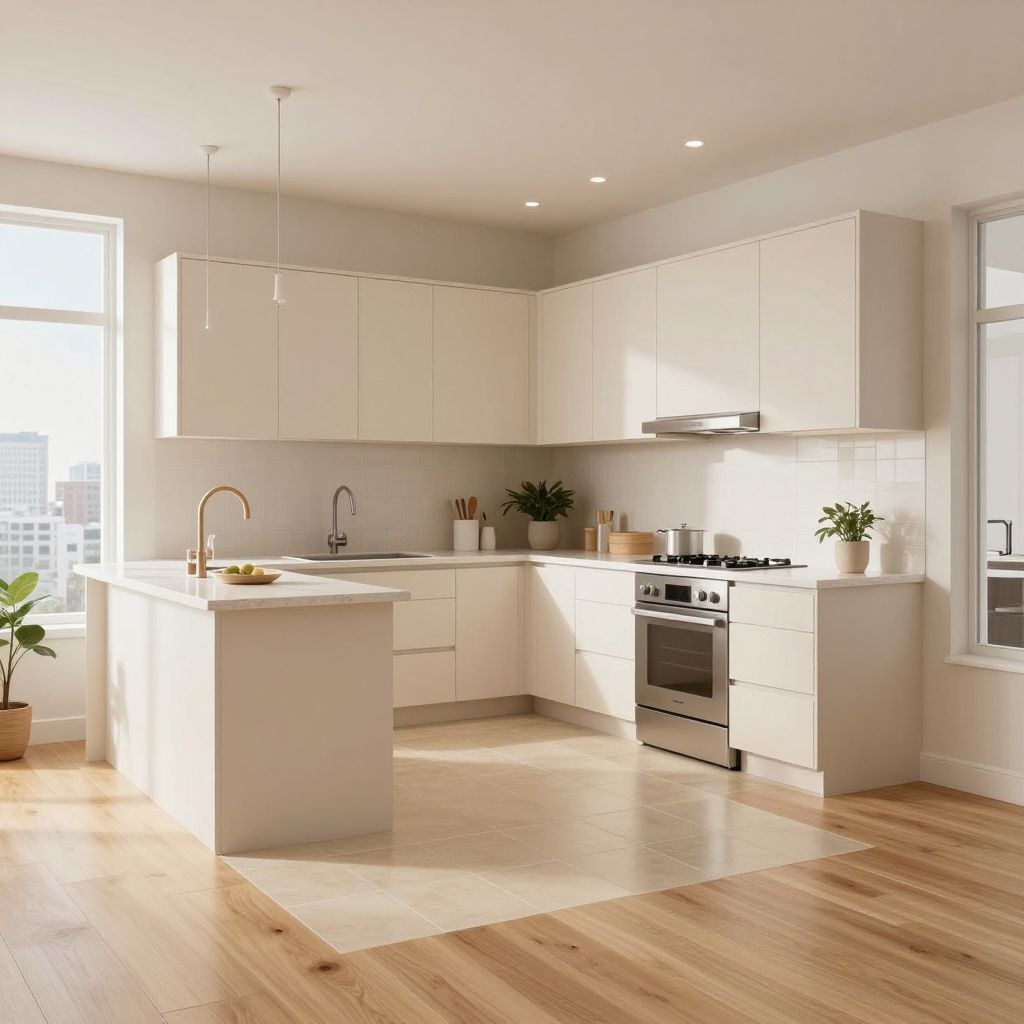
A soft tone on tone blend lets tile and wood sit close in color, which keeps the transition quiet. I like this in kitchens that aim for a relaxed, airy feel, especially with pale cabinets and light counters. The flooring almost disappears into the architecture, which can make a small kitchen feel larger.
- Layout type: Small kitchen, airy open concept, apartment
- Cabinet style: Slab or simple shaker
- Countertop material: Light quartz or solid surface
- Lighting choices: Soft white recessed lights, slim pendants
- Storage features: Concealed storage, open upper shelves
- Optional variations: Pale oak, sand toned tile, creamy grout
This approach works beautifully in coastal, Scandinavian inspired, and minimalist kitchens. Add simple hardware, light oak, and a calm backsplash to keep the vibe easy and fresh. It is the design version of taking a deep breath. This option needs good color coordination during planning. It works best in homes that want a calm backdrop for decor, dishes, and daily life.
15. Painted Border With Accent Color
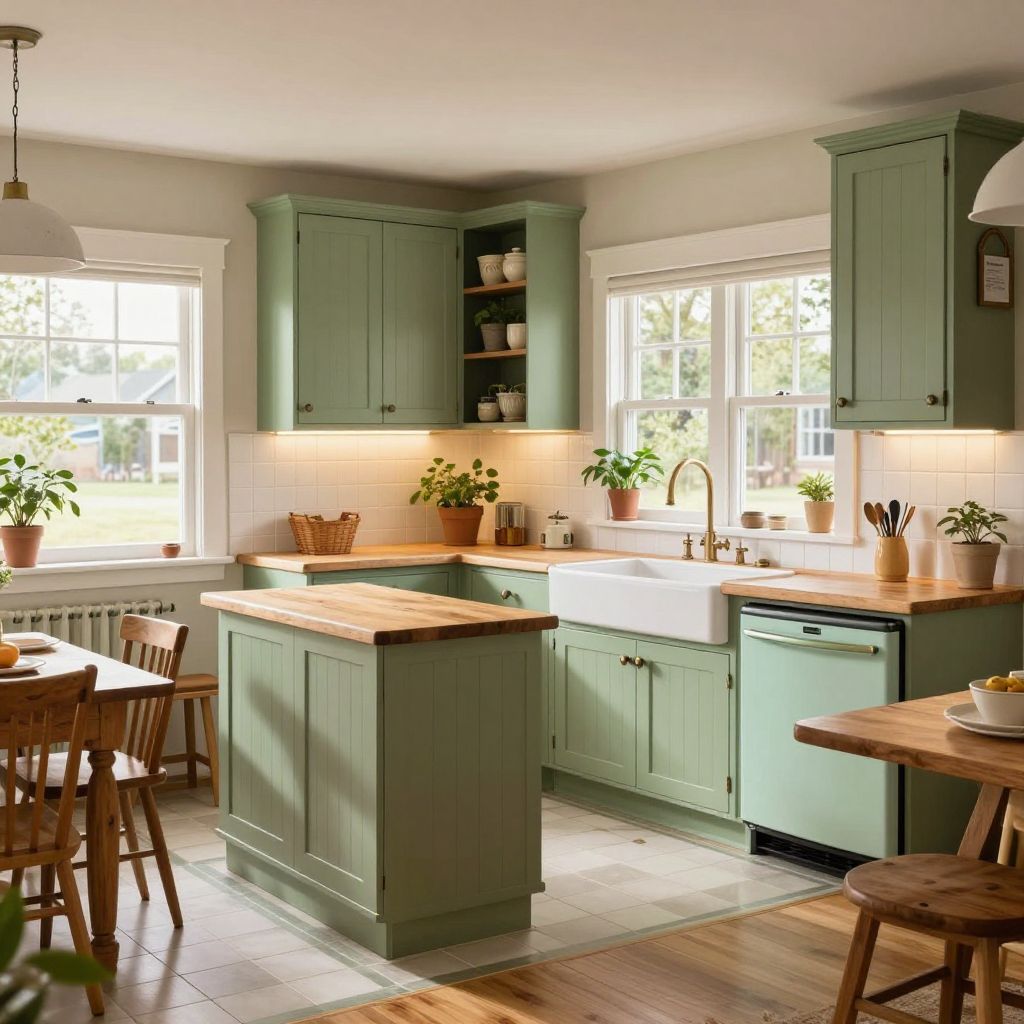
A painted border brings in color and gives the floor change a more decorative look. I like this for kitchens that already use color in the cabinets, backsplash, or stools, since the transition can echo those accents. A muted sage, soft navy, or warm greige border can add personality without looking loud.
- Layout type: Cottage kitchen, eclectic remodel, family space
- Cabinet style: Painted shaker or beadboard
- Countertop material: Quartz, butcher block, honed stone
- Lighting choices: Decorative pendants, undercabinet strips
- Storage features: Open shelving, basket storage, utensil rails
- Optional variations: Sage border, navy edge, greige trim
This idea suits creative renovations, cottage kitchens, and homes that want a little charm. Pair it with mixed metal hardware, pendant lighting, and open storage for a layered finish. If the kitchen needs a little pep, this is a fun way to do it without turning the room into a circus. This style works best when the accent color repeats somewhere else in the room. It gives the whole kitchen a finished look and makes the transition feel like part of the design plan.